
1
Contact or call for free on 0333 358 3034

2
Talk through the details of your claim. Just so you know, we're FCA regulated.

3
Find out if you could claim & speak to a real person.

4
Secure the compensation you deserve

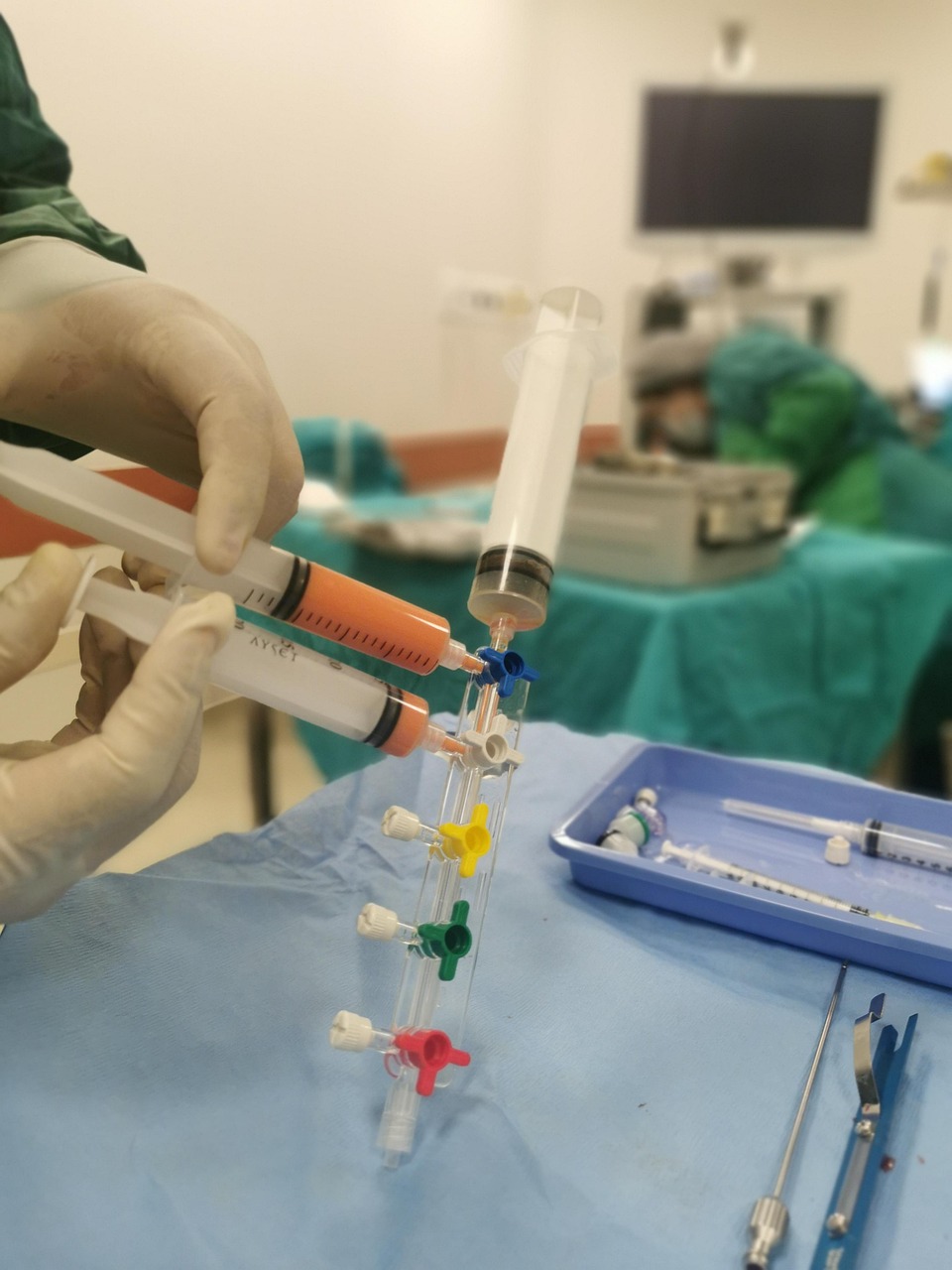
Defective Medical Equipment Compensation Claim
Written by Tanya Waterworth, Digital Content Writer
About Our Legal Expert: This content is produced with oversight by Michael Jefferies, Managing Director who has over 30 years’ legal experience.
What is Clinical Negligence?
Defective or poorly maintained medical equipment can cause harm and you can file a defective medical equipment compensation claim if this has happened to you. You must be able to prove a healthcare professional failed in their duty regarding the use of medical equipment. For example, clinical negligence may occur if a medical device is untested or damaged or has not been checked regularly.
Essentially, we place our trust in medical professionals and the equipment they use.
We expect to receive safe and effective care. But, unfortunately things can go wrong and defective medical equipment can have severe or even long-term consequences.
What Is Medical Equipment Negligence?
Medical equipment negligence occurs when a failure in the design, manufacture, maintenance, or use of medical devices results in patient harm.
This type of negligence can be the fault of the manufacturer or the healthcare provider, or both, depending on the circumstances.
Faulty medical devices may include:
- Surgical instruments
- Pacemakers
- Ventilators
- Infusion pumps
- Imaging machines (e.g., MRI or CT scanners)
- Anaesthesia machines
- Orthopaedic implants (e.g., hip or knee replacements)
Such failures can result in incorrect diagnoses, failed treatments, infections, or severe internal injuries. In extreme cases, patients may require additional surgery, lifelong care, or suffer permanent disability.
When Can You Claim Clinical Negligence Due to Faulty Medical Equipment?
You may be able to make a clinical negligence claim if:
- You Were Owed a Duty of Care
All NHS and private healthcare providers owe patients a legal duty of care. This includes ensuring all medical equipment used is safe, functioning, and appropriate for its intended purpose.
- There Was a Breach of That Duty
You must show that a healthcare professional or organisation failed in their duty. For example, by using untested or damaged equipment or failing to maintain or check it regularly.
- The Breach Caused You Harm
You need to prove that your injury or illness was a direct result of the defective equipment, and not simply a known risk of the medical procedure itself.
- It Happened Within the Limitation Period
Generally, you have three years from the date of the incident or from the date you became aware of the harm to begin your claim. There are exceptions, including for children or individuals lacking mental capacity.
Examples of Clinical Negligence Involving Medical Devices
✅ Pacemaker Malfunction
A defective pacemaker could fail to regulate heartbeat, potentially causing cardiac arrest. If it can be shown that the hospital failed to check or recall the faulty model, you may have a valid claim.
✅ Surgical Tools Left Inside the Body
While this is often a surgical error, it can also stem from faulty instrument tracking systems.
✅ Broken Wheelchairs or Lifting Equipment
If a hospital provides unsafe mobility aids that cause injury, the responsibility may lie with either the supplier or the facility for not ensuring the equipment was fit for use.
✅ Faulty Anaesthetic Machine
Improperly functioning anaesthetic machines can cause patients to regain consciousness mid-surgery or suffer brain damage due to insufficient oxygen.
Who Can Be Held Responsible?
Depending on the specific circumstances, one or more parties may be liable, including:
- NHS Trusts or Private Hospitals – for failing to maintain or inspect equipment
- Medical Professionals – for misusing devices or ignoring safety alerts
- Device Manufacturers – for defects in design, testing, or manufacturing
- Maintenance Contractors – if equipment is outsourced and improperly serviced
How to Start a Claim for Medical Equipment Negligence
Step 1: Contact a Clinical Negligence Solicitor
The first and most important step is to seek expert legal advice. Our team at Jefferies Claims work with experienced lawyers and offer a free, no-obligation consultation.
Step 2: Gather Medical Evidence
Your solicitor will help you collect medical records, device documentation, incident reports, and witness statements to build a strong case.
Step 3: Arrange Independent Medical Assessments
To support your claim, an independent medical expert may assess the extent of your injuries and their long-term impact. Again, your solicitor will help you to arrange this.
Step 4: Initiate the Claim
Once we have the evidence, we will file your claim with the responsible party. In many cases, claims are settled without going to court.
How Much Compensation Can You Claim?
Compensation amounts vary depending on the severity of your injuries and their impact on your life. Typically, claims may cover:
General Damages: for pain, suffering, and loss of amenity
Special Damages: for financial losses such as:
- Lost earnings
- Medical expenses
- Travel costs
- Rehabilitation
- Adaptations to your home
FAQs About Defective Medical Equipment Claims
❓ Can I claim on behalf of someone else?
Yes. You can claim on behalf of a child or someone who lacks mental capacity.
❓ Can I still claim if the equipment has been replaced or destroyed?
Yes, you can still make a claim. Other evidence like medical records, witness statements, and maintenance logs can help prove your case.
❓ Do I need to know who was at fault before starting a claim?
No. Your solicitor will investigate and identify the responsible party for you – whether it’s the manufacturer, hospital, or another provider.
❓ Can I claim if I was treated in a private hospital?
Yes, you can claim for clinical negligence against both NHS and private healthcare providers if faulty equipment caused you harm.
Start Your Medical Equipment Negligence Claim Today
If you’ve been harmed by faulty or defective medical equipment, you could be entitled to significant compensation and we’re here to help you every step of the way. Medical negligence claims can be complex and it’s advisable you consult with an experienced lawyer in this field. Jefferies Claims partner with lawyers who can assess your case and who operate on a ‘No Win, No Fee’ basis.
📞 Call our team today on 0330 818 0349. Alternatively, complete our online contact form to arrange an free, no-obligation telephone consultation with a member of our expert team.