
1
Contact or call for free on 0333 358 3034

2
Talk through the details of your claim. Just so you know, we're FCA regulated.

3
Find out if you could claim & speak to a real person.

4
Secure the compensation you deserve

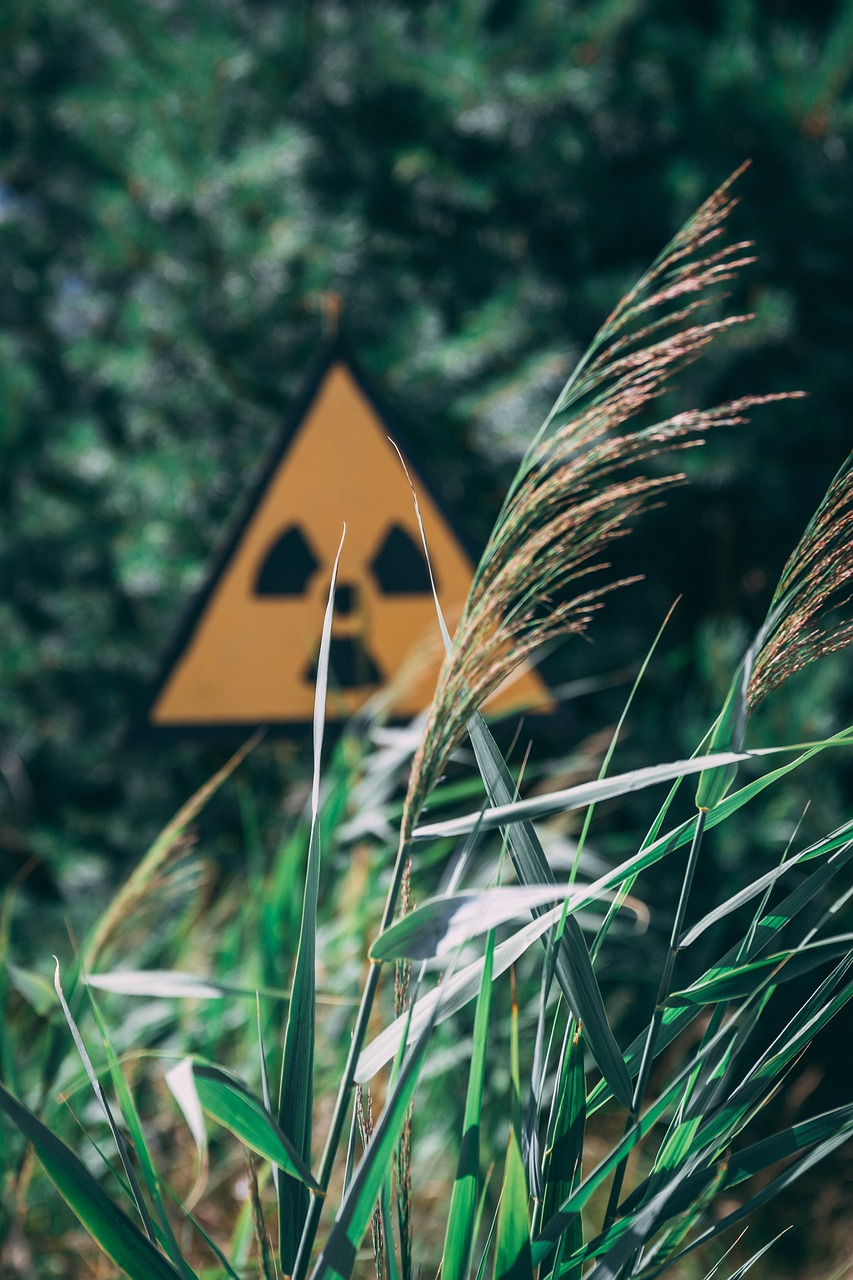
How to File a Claim for Radiation Exposure at Work
Written by Tanya Waterworth, Digital Content Writer
About Our Legal Expert: This content is produced with oversight by Michael Jefferies, Managing Director who has over 30 years’ legal experience.
What You Need to Know About Compensation
If you’ve suffered radiation exposure injuries on the job, you may want to know how to file a claim for radiation exposure at work. Radiation exposure at work may cause severe short to long term injuries for workers. Firstly, you can file a personal injury if you can show your employer was negligent which directly led to the harm caused to you.
In order to claim compensation for radiation sickness you need to take the following key steps: seek medical attention immediately, document your exposure, gather evidence, and consult a personal injury lawyer experienced in radiation cases. Acting quickly and following the right legal steps can significantly increase your chances of receiving full compensation.
What is Radiation Exposure and Why It’s Dangerous
Radiation exposure at work is an occupational hazard in industries like healthcare, construction, nuclear energy, manufacturing, aviation, and research labs. While safety standards have improved, accidents and long-term exposure may still occur.
Radiation injuries can be caused by ionizing radiation (like X-rays, gamma rays, and radioactive materials) or non-ionizing radiation (like ultraviolet light, microwaves, and radiofrequency).
However, ionizing radiation is generally more dangerous because it can damage DNA and cells, leading to burns, acute radiation sickness, cancer, and long-term organ damage.
How Workplace Situations May Lead to Radiation Injuries
There are several ways workers can be exposed to dangerous levels of radiation:
- Medical & Healthcare Environments
Radiographers, X-ray technicians, nuclear medicine specialists, and oncology staff work with machines that emit ionizing radiation daily. So, even if staff have protective gear, faulty equipment or improper safety protocols can lead to overexposure.
- Industrial & Construction Settings
Workers in industrial radiography, pipeline inspections, or construction may use radiographic equipment to detect flaws in metal or concrete. However, if shielding fails or equipment is mishandled, the risk to exposure increases.
- Nuclear Power Plants
Maintenance crews, engineers, and emergency response teams at nuclear plants may be exposed during leaks, accidents, or unsafe waste handling.
- Research Laboratories
Scientists and technicians handling radioactive isotopes in labs must follow strict containment procedures. A single procedural lapse can cause exposure.
- Aviation
Pilots, flight attendants, and frequent flyers are exposed to higher cosmic radiation at high altitudes, which can contribute to long-term health risks.
How to Spot Early Warning Signs of Radiation Exposure
The impact of radiation exposure depends on dose, duration, and type of radiation. Some effects appear immediately while others may only develop years later.
Short-term effects (acute exposure):
- Nausea, vomiting, headaches
- Skin burns or redness
- Hair loss
- Fatigue
Long-term effects (chronic exposure):
- Increased cancer risk (leukaemia, thyroid cancer, lung cancer)
- Cataracts
- Infertility
- Organ failure
If you’ve experienced unexplained symptoms after working in a radiation-prone environment, it’s crucial to get a medical evaluation immediately.
What To Do After Radiation Exposure at Work
Workers are protected under occupational health and safety laws. Therefore, employers are legally obligated to:
- Provide proper protective equipment
- Maintain safety protocols
- Monitor radiation levels regularly
- Offer health screenings for high-risk staff
If your employer failed in any of these duties, and you suffered radiation-related injuries, you may be entitled to file a personal injury claim.
Radiation Exposure Compensation: How to Get Maximum Pay-Out
If you can prove your employer, a contractor, or equipment manufacturer was negligent, you can file a personal injury claim for:
- Full medical costs
- Pain and suffering
- Emotional distress
- Future lost earnings
You will have to be able to show that your employer was at fault. Your solicitor will be able to provide a compensation estimate regarding your claim.
Prove Your Workplace Radiation Injury: Essential Evidence
Winning a radiation exposure case requires strong evidence. Here’s what you’ll need:
- Medical records showing diagnosis and treatment
- Radiation exposure reports from workplace safety monitoring
- Witness statements from co-workers
- Workplace safety inspection reports
- Expert testimony from medical and occupational safety specialists
If your exposure happened years ago, you may still be eligible to claim – especially if symptoms appeared later.
Step-by-Step Action Plan To Start Your Claim
If you believe you have suffered from radiation exposure at work and are seeking compensation, here’s a must-have guide of what you need to do next:
Step 1: Get Medical Attention Immediately
Your health comes first. A doctor can document your injuries and link them to radiation exposure.
Step 2: Report the Incident
Notify your employer in writing. Include:
- Date and time of exposure
- Location
- Equipment or materials involved
- Witness names
Step 3: Gather Evidence
Collect:
- Safety reports
- Work logs
- Training records
- Photographs of the workplace/equipment
Step 4: Contact a Personal Injury Lawyer
We work with experienced lawyers who can:
- Assess your eligibility
- Estimate claim value
- Handle negotiations
- Represent you in court (if necessary)
Step 5: File the Claim
Your lawyer will file the lawsuit within the legal time limit.
Step 6: Negotiate or Go to Trial
Most parties settle many claims out of court. If they fail to reach a settlement, they take the case to trial, where they present your evidence.
Top Tips to Secure the Full Compensation You Deserve After Radiation Exposure
- Act quickly — waiting can weaken your case.
- Keep a symptom diary — track your medical issues over time.
- Follow medical advice — missing treatments can harm your credibility.
- Don’t post about your injury on social media — defence lawyers may use it against you.
Start Your Claim For Compensation
If poor safety measures, lack of training, or faulty equipment cause you to suffer a radiation exposure injury, you may be able to claim significant compensation.. It is essential to act within the legal timeframe, so it is worth getting legal advice early as to whether your claim is viable.
At Jefferies Claims, we will guide you through the claims process. We partner with experienced lawyers who will assess all aspects of your case and who work on a ‘No Win, No Fee’ basis.
Contact Jefferies Claims today at 0333 358 3034 or complete our online contact form to arrange an initial no-obligation telephone consultation.