
1
Contact or call for free on 0333 358 3034

2
Talk through the details of your claim. Just so you know, we're FCA regulated.

3
Find out if you could claim & speak to a real person.

4
Secure the compensation you deserve


Logistics Worker Injured at Work?
Written by Tanya Waterworth, Digital Content Writer
About Our Legal Expert: This content is produced with oversight by Michael Jefferies, Managing Director who has over 30 years’ legal experience.
Claim Compensation Today
Are you a logistic worker injured at work? If so, you’ll know that working in logistics comes with its share of risks and if you’ve been hurt, you may be eligible to claim compensation if your employer was negligent. Legally, employers have to provide a safe working environment. So, whether you’ve been injured operating machinery, handling hazardous materials or even heavy lifting, you may want to find out more about compensation claims.
Why Claiming Compensation Matters
A workplace injury doesn’t just affect your health, it can impact your livelihood, family life, and financial stability. Compensation for an injury at work is designed to cover medical expenses, lost wages, rehabilitation, and, in some cases, future earnings.
Claiming personal injury compensation can also encourages safer working conditions, holding employers accountable for negligence.
Common Types of Logistics Accidents
Logistics jobs involve a wide range of tasks, and the risks can differ depending on your role. Some of the most common logistics accidents include:
- Manual Handling Injuries
Heavy lifting, repetitive strain, and poor lifting techniques can cause back injuries, hernias, and musculoskeletal disorders. - Forklift and Vehicle Accidents
Collisions, rollovers, or falls from forklifts and other logistics vehicles may result in fractures, head trauma, or crush injuries. - Slips, Trips, and Falls
Spilled liquids, uneven flooring, or cluttered walkways can cause falls that lead to sprains, broken bones, or even head injuries. - Falling Objects
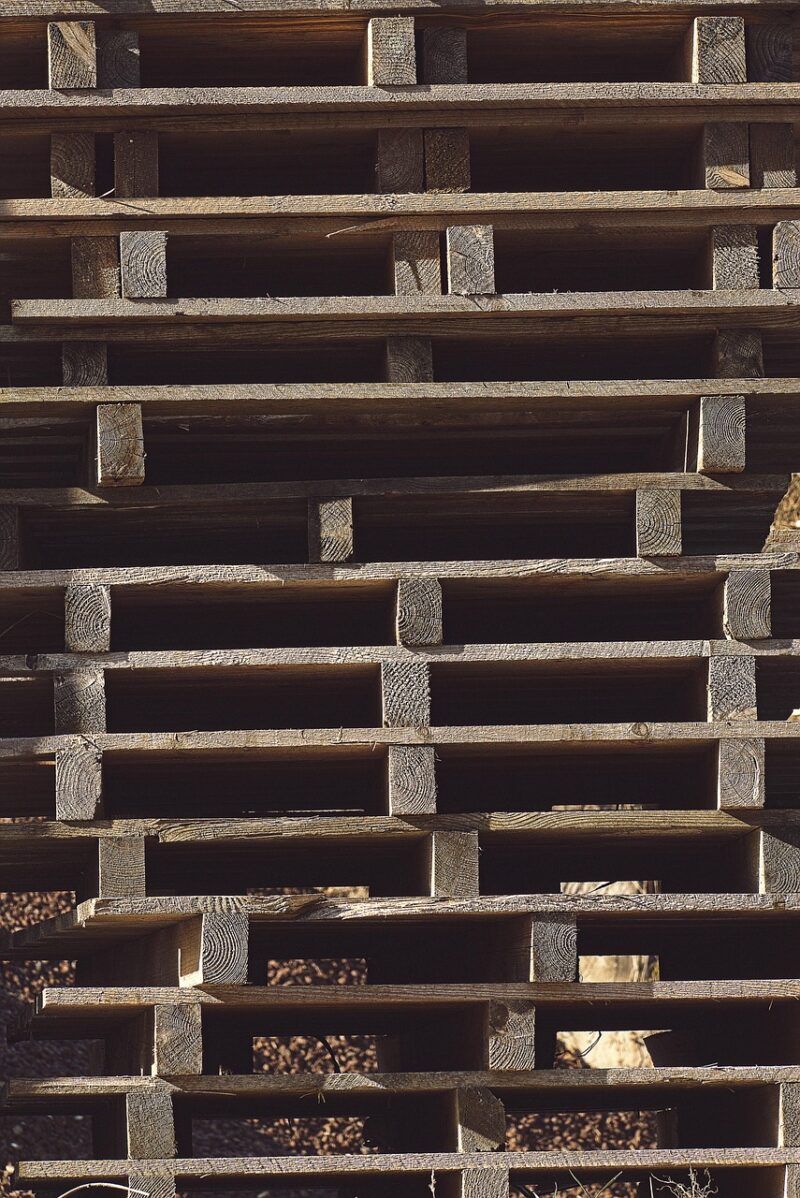
Poorly stacked pallets or unsecured loads may fall, causing serious impact injuries such as breaks, fractures or organ damage. - Machinery-Related Injuries
Faulty or poorly maintained equipment can lead to cuts, amputations, or crushing accidents. - Exposure to Hazardous Substances
Handling chemicals or inhaling toxic fumes may cause burns, respiratory issues, or long-term illnesses.
When Can You Make a Claim?
You may be entitled to claim compensation if:
- The accident was caused by employer negligence. For example, lack of proper training, unsafe working practices, or inadequate protective equipment and was not your fault.
- The injury happened while you were working. This includes accidents that occur in warehouses and factories during loading/unloading, or even while driving as part of your job.
- The incident occurred within the last three years. In most cases, personal injury claims must be filed within three years of the accident.
What to Do First After a Logistics Accident
Taking the right steps immediately after an accident can strengthen your claim:
Seek Medical Attention
Get medical treatment straight away and ensure your injuries are properly documented.
Report the Accident
Notify your employer or supervisor as soon as possible. Make sure the incident is recorded in the company’s accident logbook.
Gather Evidence
Take photos of the accident site, machinery, or hazards. Collect witness statements from colleagues if possible.
Keep Records
Save medical reports, receipts of expenses, and any communication with your employer about the accident.
Seek Legal Advice
Consult a personal injury solicitor experienced in workplace accidents. They will assess your case and guide you through the claims process.
How Much Compensation Could You Receive?
The compensation amount depends on the severity of your injuries, recovery time, and impact on your ability to work. Typical compensation covers:
- General damages for pain, suffering, and loss of amenity.
- Special damages for medical expenses, rehabilitation costs, and lost income.
- Future losses if the injury affects your long-term earning capacity.
Preventing Logistics Accidents
While you may be eligible for compensation after an injury, prevention is always better. Employers should:
- Provide thorough training and refresher courses.
- Maintain machinery and vehicles regularly.
- Supply appropriate personal protective equipment (PPE).
- Keep workplaces clean, organized, and hazard-free.
- Promote a safety-first culture where staff feel confident reporting risks.
FAQs on Claims for Logistics Accidents
- Can I claim compensation if my injury was minor?
Yes. Even minor injuries can be claimed if they required medical treatment, caused lost wages, or affected your daily life. Compensation amounts may be smaller but still valid. - How long does a logistics accident claim take?
The duration varies. Straightforward claims may resolve in a few months, while complex cases can take over a year, depending on investigations and negotiations. - Do I have to go to court to claim compensation?
Not necessarily. Most workplace accident claims are settled out of court by your personal injury lawyer negotiating with insurers. Court action is usually a last resort. - Will claiming affect my job?
Your employer cannot legally dismiss or penalize you for making a legitimate compensation claim. Employment laws protect workers from retaliation. - How do I choose the right solicitor?
Look for a solicitor with experience in logistics or workplace injury claims. We partner with solicitors who also offer a No Win, No Fee option which means there are no upfront cots for you to deal with.
We Can Help – Free Consultation
If you or a loved one works in the logistic industry and has been injured, by taking the right steps and seeking professional legal help, you can secure the compensation you deserve and focus on recovery. Remember, your employer has a duty to protect you.
It’s important that you speak to a personal injury lawyer who can assess your case for you and advise if you have a valid claim. We specialise in helping individuals affected by workplace negligence.
At First Personal Injury, we work with expert lawyers who operate on a No Win, No Fee basis, ensuring you get the support you need without financial risk. Call us at 0333 3582345 or contact us online for an initial, no-obligation consultation.