1
Contact or call for free on 0333 358 3034

2
Talk through the details of your claim. Just so you know, we're FCA regulated.

3
Find out if you could claim & speak to a real person.

4
Secure the compensation you deserve

Can Plant Hire Workers Claim for Injury at Work?
Written by Tanya Waterworth, Digital Content Writer
About Our Legal Expert: This content is produced with oversight by Michael Jefferies, Managing Director who has over 30 years’ legal experience.
Why You Need Expert Legal Advice
Plant hire workers often operate some of the most powerful and complex machinery on construction and industrial sites, but can plant hire workers claim for injury at work? Unlike many other roles, plant hire work may frequently involve short-term hires, multiple contractors, and shared responsibility for safety, which can make it difficult to understand who is accountable when something goes wrong.
Our team can help you with the process of claiming the compensation you deserve.
We work with lawyers who offer a ‘No Fee, No Win’ basis for personal injury claims.
Why Plant Hire Work Carries Unique Safety Risks
Plant hire workers are rarely based on a single, controlled site. Instead, they may move between locations, operate unfamiliar equipment, or work under the direction of different site managers.
Therefore, common risk factors include:
- Operating hired machinery with limited handover time
- Working on sites controlled by third-party contractors
- Using equipment supplied, maintained, and insured by separate companies
- Pressure to begin work before full site inductions are completed
These factors mean that plant hire accidents may not be caused by a single failure, but by a combination of site conditions, equipment issues, and communication breakdowns.
Who Is Responsible for Safety in Plant Hire Operations?
One of the most important questions after a plant hire accident is who had control at the time of the incident. Responsibility may sit with more than one party.
1. The Plant Hire Company
The company supplying the machinery is typically responsible for:
- Providing equipment that is safe and fit for purpose
- Carrying out inspections, servicing, and maintenance
- Supplying correct attachments and safety information
If a fault develops due to poor maintenance or inspection, liability may rest here.
2. The Site Operator or Principal Contractor
The organisation running the site is usually responsible for:
- Traffic management and segregation
- Ground conditions and safe access routes
- Site supervision and coordination
- Ensuring machinery is used in appropriate conditions
Unsafe layouts, poor visibility, or lack of supervision may contribute to serious incidents.
3. Agencies or Subcontractors
Where workers are supplied through agencies or subcontractors, responsibility may also extend to:
- Verifying training and certification
- Ensuring operators are competent to use the machinery
- Providing adequate site inductions
This shared responsibility is one of the main reasons plant hire injury cases may become legally complex.
Types of Plant Hire Machinery Commonly Involved in Accidents
The specific characteristics of the machinery, such as its size, weight, or operating environment, may contribute to plant hire accidents
Commonly involved equipment includes:
- Forklifts and telehandlers
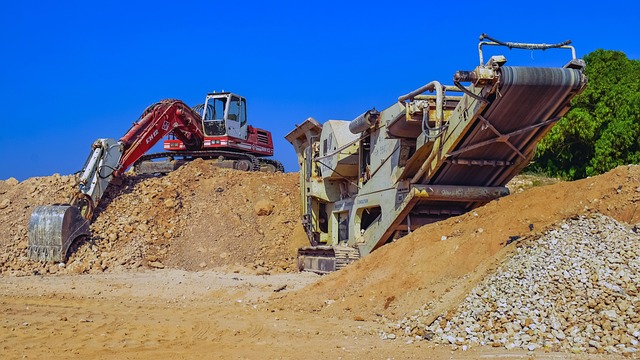
- Excavators and dumpers
- Cranes and lifting equipment
Each presents different hazards, from rollovers and collisions to falls from height and crushing injuries.
If your injury involved a forklift or similar machinery, visit our Forklift Accident Claims page for specialist guidance.
Typical Safety Failures in Plant Hire Accidents
While every site is different, many plant hire accidents share similar underlying problems which may typically involve:
- Machinery supplied with undisclosed defects
- Inadequate handover or pre-use inspections
- Unsafe ground conditions for heavy plant machinery
- Missing banksmen, signallers, or spotters
- Poor communication between contractors
- Operators are asked to work outside their certification
Identifying where these failures occurred helps you understand how responsibility is shared
Injuries Often Seen in Plant Hire Incidents
Due to the size and power of plant machinery, injuries may be severe, including:
- Crush injuries caused by rollovers or trapping
- Head and spinal injuries from falls or collisions
- Limb injuries involving attachments or moving parts
- Multiple injuries following site vehicle impacts
These injuries frequently result in extended time away from work and long-term health effects.
Why Plant Hire Injury Cases Are More Complex Than Other Work Accidents
Plant hire injury cases are rarely straightforward because:
- Multiple insurers may be involved
- Companies may share responsibility
- Control of the machinery can change during a shift
- Maintenance and operation duties may sit with different parties
Understanding how these responsibilities interact is crucial and an experienced personal injury lawyer can assess what went wrong and who should be held accountable.
What to Do Immediately After a Plant Hire Accident
After a plant hire accident, early action can help clarify responsibility later. Where possible, it is important to:
- Identify who supplied the machinery
- Record hire reference numbers and equipment details
- Note who controlled the site at the time
- Preserve any handover or inspection documentation
- Ensure the incident is reported through site procedures
These steps help establish the chain of responsibility specific to plant hire operations.
Get Advice on Plant Hire Injury Claims
Plant hire accidents often involve multiple duty holders and complex liability issues, so these cases usually require specialist advice.
We partner with personal injury solicitors who have experience in workplace and construction-related injuries to assess how responsibility is shared and to advise on the most appropriate next steps.
If you have been injured while working with hired plant or machinery, call our professional team today to find out what to do next.
To discuss your potential claim in confidence, contact Jefferies Claims on 0333 358 3034 or complete our online contact form.