
1
Contact or call for free on 0333 358 3034

2
Talk through the details of your claim. Just so you know, we're FCA regulated.

3
Find out if you could claim & speak to a real person.

4
Secure the compensation you deserve

Car Transporter Driver Injury Claims
Who Is Liable and What To Do Next
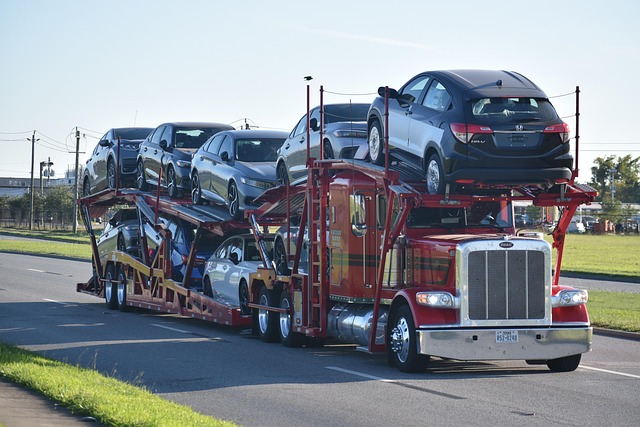
Working for a car transporter company is a highly specialised role that carries distinct risks not found in most other driving jobs and which can result in car transporter driver injury claims. Car transporter drivers and operatives regularly handle high-value vehicles, work at height, operate hydraulic ramps, and drive large, heavy transporters across long distances. When something goes wrong, the injuries can be severe and even life changing.
If you are injured through no fault of yours while working for a car transporter company in England or Wales, you may be entitled to claim compensation.
Jefferies Claims works with lawyers who operate on a ‘No Win, No Fee’ basis and can advise on whether you have a potential claim. Speak to our team today to arrange an initial, free consultation.
Why Working for a Car Transporter Company Is High Risk
Car transporter companies operate in a unique sector of the logistics and vehicle delivery industry. Unlike standard HGV drivers, car transporter drivers must combine professional driving with complex loading, securing, and unloading tasks. These added responsibilities significantly increase the risk of injury at work.
Road-Related Risks for Car Transporter Drivers
Car transporters are large, heavy vehicles with high centres of gravity. When fully loaded, they require greater stopping distances and careful handling, particularly on motorways, slip roads, and rural routes. Drivers working for car transporter companies can face increased accident risks due to:
- Long-distance driving and tight delivery schedules
- Driving in unfamiliar locations, including auction sites and ports
- Adverse weather conditions affecting stability and braking
- Other road users misjudging the size and speed of the transporter
If a road traffic collision occurs while you are working for a car transporter company, your injuries may form the basis of a personal injury claim.
Loading and Unloading Injuries in Car Transporter Work
One of the most distinctive hazards of working for a car transporter company is loading and unloading vehicles at height. Drivers often climb ramps, walk across narrow platforms, and manoeuvre vehicles in confined spaces.
Common loading-related injuries may typically include:
- Falls from ramps or upper decks
- Slips caused by oil, rain, or poor grip surfaces
- Crush injuries from moving vehicles
- Hand and foot injuries while securing wheel straps and chains
These accidents can occur at customer premises, storage compounds, or roadside delivery locations. Even when working off-site, your car transporter employer still has a duty to ensure safe systems of work and adequate training.
Manual Handling Risks for Car Transporter Drivers
Although car transporter drivers are not traditionally classed as manual workers, the job involves frequent manual handling tasks. These include lifting ramps, positioning restraints, operating winches, and handling damaged or non-running vehicles.
Over a prolonged period, these repetitive tasks can result in:
- Back injuries
- Shoulder and neck strains
- Knee and joint damage
- Long-term musculoskeletal disorders
If your car transporter company fails to provide proper manual handling training or mechanical aids, any resulting injury may support a compensation claim.
Equipment and Vehicle Defects in Car Transporter Operations
Car transporter companies rely on specialist equipment, including hydraulic lifts, loading ramps, securing systems, and trailer mechanisms. When this equipment is poorly maintained, the consequences can be severe.
Accidents may occur due to:
- Faulty hydraulic systems
- Worn or damaged ramps
- Defective straps or chains
- Poorly maintained transporters or trailers
Employers must ensure that all equipment used by car transporter drivers is properly inspected and maintained. Failure to do so may amount to negligence.
Fatigue and Pressure Within Car Transporter Companies
Drivers working for car transporter companies can often face tight deadlines, long shifts, and pressure to meet delivery targets. Fatigue is a major risk factor, particularly when drivers are expected to load vehicles after long journeys.
Fatigue-related risks include:
- Reduced concentration while driving
- Poor judgement during loading and unloading
- Increased likelihood of slips, trips, and falls
- Slower reaction times in emergency situations
If an accident occurs because your employer failed to manage working hours or rest breaks properly, this may strengthen a personal injury claim.
Employer Responsibilities in Car Transporter Injury Claims
Car transporter companies in England and Wales have clear legal duties under health and safety law. Employers must take reasonable steps to protect drivers and operatives from foreseeable risks.
This includes:
- Carrying out role-specific risk assessments for car transporter work
- Providing proper training on loading, unloading, and securing vehicles
- Maintaining transporters, trailers, and specialist equipment
- Managing driving hours and fatigue
- Providing suitable personal protective equipment (PPE)
When a car transporter company fails in these duties and an employee is injured as a result, compensation may be payable through the employer’s liability insurance.
Who Is Liable for Injuries While Working for a Car Transporter Company?
Liability in car transporter injury claims depends on how the accident occurred.
Employer Liability
Your employer may be responsible if your injury was caused by unsafe working practices, poor training, defective equipment, or unrealistic workloads.
Third-Party Liability
If another road user caused a collision while you were driving a car transporter, you may be able to claim against their insurer.
Shared Liability
In some cases, responsibility may be shared between your employer and a third party, particularly if there’s a question over site safety or traffic management was inadequate.
Compensation Available to Car Transporter Drivers
If you successfully bring a claim, compensation may include:
General Damages
For pain, suffering, and loss of amenity caused by your injury.
Special Damages
For financial losses linked to working for a car transporter company, such as:
- Loss of earnings and overtime
- Reduced future earning capacity
- Medical treatment and rehabilitation
- Travel expenses
- Care or assistance costs
Compensation aims to put you back, as far as possible, in the position you would have been in had the injury not occurred.
Time Limits for Car Transporter Injury Claims
In most cases, you have three years from the date of the accident, or from the date you became aware your injury was work-related, to start a personal injury claim in England and Wales. Acting early makes it easier to gather evidence and protect your position.
Need Advice Now?
If you’ve been injured while working for a car transporter company and the accident was caused by negligence, whether due to unsafe loading procedures, poor equipment maintenance, excessive working hours, or a road traffic collision, you may be able to make a personal injury claim for compensation.
We partner with highly experienced personal injury solicitors, so if you need advice today, contact our team at 0333 358 3034 or complete our online contact form to arrange your initial no-obligation telephone consultation.