
1
Contact or call for free on 0333 358 3034

2
Talk through the details of your claim. Just so you know, we're FCA regulated.

3
Find out if you could claim & speak to a real person.

4
Secure the compensation you deserve

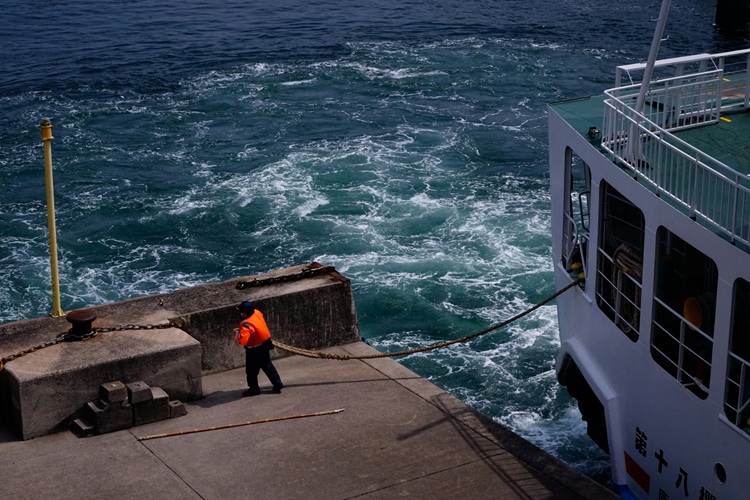
Dockyard Accident Compensation Claim
Written by Tanya Waterworth, Digital Content Writer
About Our Legal Expert: This content is produced with oversight by Michael Jefferies, Managing Director who has over 30 years’ legal experience.
Injured in a Dockyard Accident in England and Wales?
If you’ve been injured while working in a dockyard, you may be eligible to file a dockyard accident compensation claim. A dockyard has a constant stream of vessels and heavy machinery on the move, so there is a risk of serious injury unless the proper safety regulations are in place. A personal injury claim for an accident at work which was not your fault allows you to claim for not only pain and suffering, but also financial losses. These may include lost wages, medical costs and even travel expenses to and from medical appointments.
For severe injuries, workers may face a long recovery period which brings financial pressure and uncertainty about the road ahead. So, if this has happened to you, we partner with solicitors who are experienced in work injury claims and who can help.
Why Dockyard Accidents Happen
Working in a dockyard typically involves industrial machinery, unpredictable weather, and physically demanding tasks. Even with health and safety law under the Health and Safety Act in England and Wales, accidents still occur because employers don’t always follow the rules. Under these strict regulations in England and Wales, employers are required to take reasonable steps to keep workers safe. When they fail, and someone gets hurt, a compensation claim can help restore your life back to what is was, or closest to, prior to the accident.
Real‑Life Dockyard Accident Scenarios
To understand how these claims arise, we have a look at realistic examples of what can go wrong.
1. Crush Injuries from Moving Cargo
A dockworker helps guide a shipping container into position. The crane operator misjudges the swing, and the container traps the worker against a bollard. The worker suffers multiple fractures and requires months off work.
Why this leads to a claim: Employers must ensure safe communication between crane operators and ground staff. If signalling systems fail or staff aren’t properly trained, it may open the door to an accident on site.
2. Falls from Height on a Wet Gangway
A marine engineer walks down a gangway during heavy rain. The anti‑slip surface has worn away, and no one has inspected it for months. He slips, falls several metres, and injures his spine.
Why this leads to a claim: Falls from height are a leading cause of serious accidents at work. Employers must maintain safe access routes. A failure to inspect or repair hazards is considered a breach of duty.
3. Chemical Burns During Vessel Maintenance
A worker cleans a fuel tank using industrial solvents. The employer provides no protective gloves and no ventilation. The worker suffers chemical burns and respiratory problems.
Why this leads to a claim: Employers must provide adequate PPE and ensure safe systems of work when handling hazardous substances.
4. Back Injuries from Improper Manual Handling
A team is short‑staffed, so a worker is told to lift heavy mooring equipment alone. He strains his back and develops chronic pain.
Why this leads to a claim: Manual handling regulations require employers to avoid unsafe lifting tasks and provide mechanical aids or team lifting where necessary.
5. Slips on Oil‑Contaminated Surfaces
A mechanic walks across the dock floor, unaware that hydraulic fluid has leaked from a forklift. There are no warning signs, and the spill hasn’t been cleaned. He slips, breaks his wrist, and cannot work for weeks.
Why this leads to a claim: Employers must keep work areas clean and respond quickly to spillages.
These scenarios show how quickly a routine task can turn into a serious injury when safety standards slip.
What You Can Claim For If a Dockyard Accident Wasn’t Your Fault
A dockyard accident claim for compensation can cover a wide range of losses, including:
- Pain, suffering, and loss of amenity
- Loss of earnings, including future income if you cannot return to your previous role
- Medical treatment costs, such as physiotherapy or rehabilitation
- Travel expenses related to medical appointments
- Care and assistance, even if provided by family
- Adaptations to your home or vehicle if your injuries are severe
The aim is to put you, as far as possible, back into the position you would have been in had the accident not happened.
How to Start a Dockyard Accident Claim
You don’t need to navigate the process alone. A specialist personal injury solicitor can guide you through each step. Here’s what typically happens when you start your personal injury claim:
1. Initial Consultation
You explain what happened, and the solicitor assesses whether you have a valid claim. Most dockyard claims proceed on a No Win, No Fee basis.
It is also important to report the accident through the correct dockyard channels. This typically includes having the incident recorded in the dockyard accident book, to your supervisor and to the site safety team or port authority if applicable.
2. Evidence Gathering
Evidence from dockyard accidents is often more technical than in standard workplace claims. Useful items may include:
- Cargo movement logs showing crane operations, container movements, or lifting schedules
- Permit‑to‑work documents, especially for confined spaces, hot works, or hazardous materials
- Maintenance records for cranes, forklifts, gangways, winches, or mooring equipment
- PPE issue records to show whether you were properly equipped
- Vessel access logs if the accident happened while boarding or disembarking a ship
- Weather reports, as wind, rain, and tide conditions often contribute to dockyard incidents
This type of evidence helps establish whether the employer, port operator, or another contractor failed in their duty of care. Your personal injury lawyer can help you to gather this evidence.
3. Medical Assessment
A medical expert examines your injuries and prepares a report. This forms the foundation of your compensation valuation.
4. Negotiation with the Employer’s Insurer
Your solicitor presents the evidence and argues for a fair settlement. Most claims settle without going to court.
5. Court Proceedings (if necessary)
If the insurer refuses to settle reasonably, your solicitor may issue court proceedings. Even then, most cases resolve before trial.
FAQs: Dockyard Accident Compensation Claims
Do I need to prove my employer was at fault?
Yes. Dockyard accident claims rely on showing that your employer breached their duty of care. This may involve inadequate training, poor maintenance, or unsafe working practices. Your solicitor will help gather the evidence needed.
Can I claim if I’m partly responsible for the accident?
Often, yes. England and Wales use a system called contributory negligence. If you were partly at fault, your compensation may be reduced, but you can still recover damages.
What if I’m a contractor rather than an employee?
You may still have a claim. Dockyards involve multiple employers, contractors, and agencies. The key question is who controlled the work environment and who owed you a duty of care – your solicitor can help to pinpoint this.
How long do I have to make a claim?
You usually have three years from the date of the accident. However, it’s best to start early while evidence is fresh.
Will making a claim affect my job?
Employers are not allowed to dismiss or penalise you for bringing a legitimate claim. The claim is handled by their insurer, not the employer personally.
Can I claim if the accident happened on a ship rather than the dock?
Yes, as long as the accident occurred within the jurisdiction of England and Wales. Maritime work still falls under personal injury law when negligence is involved.
Contact Us – Free Consultation
Dockyard accidents may involve complex machinery and a high-risk environment, so speaking to an experienced work injury solicitor can increase the value of your claim.
Compensation can help you to rebuild your life and seeking legal advice early can make all the difference.
To discuss your potential claim in confidence, contact our team on 0333 358 3034. Alternatively, complete our online contact form to arrange an initial, no-obligation consultation.