
1
Contact or call for free on 0333 358 3034

2
Talk through the details of your claim. Just so you know, we're FCA regulated.

3
Find out if you could claim & speak to a real person.

4
Secure the compensation you deserve

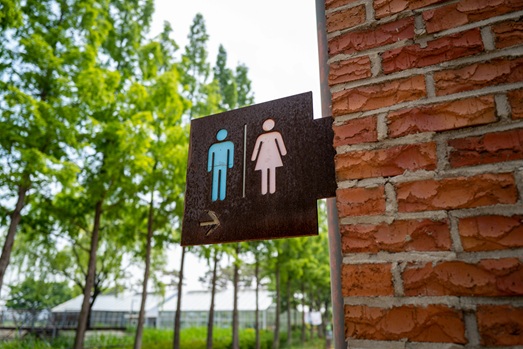
Injured in a Public Toilet?
About Our Legal Expert: This content is produced with oversight by Michael Jefferies, Managing Director who has over 30 years’ legal experience.
Written by Tanya Waterworth, Digital Content Writer
When You Can Claim Compensation After Public Toilet Injury
Public toilets should be safe, clean and properly maintained and if you’ve been injured in a public toilet which wasn’t your fault, you may be entitled to claim compensation. While many may think about public toilets situated in parks and high streets, for purposes of a claim, public toilets also includes toilet facilities in other areas such as shopping centres, train or bus stations and hospitality venues.
But the key point when it comes to making a claim is whether your injury was caused by negligence or unsafe conditions by another party.
We take a look below at how negligence works, who may be liable if you’re injured in a public toilet and the steps you can take to start your claim.
🚻 Why Public Toilet Injuries Can Lead to Compensation
Under the Occupiers Liability Act 1957, the operators of these facilities are required to make regular inspections and have proper cleaning schedules, maintenance checks as well as promptly attending to any hazards. Unfortunately, when organisations fail to meet these standards, accidents can happen. We’ve seen that such an accident can often involve slips, trips, falls, or contact with unsafe fixtures.
According to a report by the UK’s Royal Society for Public Health (RSPH), while there has been a 14% reduction in public toilets across England since 2016, there are 15,481 people for every public toilet in England which confirms these are high traffic areas.
RSPH Chief Executive, William Roberts highlighted the need for council-run public toilets and called for more toilet facilities. He said, “One public toilet for per 15,000 people simply isn’t good enough.”
So, if your injury occurred because the responsible organisation failed to keep the toilet reasonably safe, you may want to find out more about pursuing a personal injury claim.
🏛️Who Is Liable for an Injury in a Public Toilet?
In the UK, responsibility typically falls into one of the following categories:
- Local councils: for public toilets in parks, high streets, transport interchanges, markets, public squares and council‑owned buildings.
- Shopping centre operators: for toilets inside malls, retail complexes and communal areas.
- Individual retailers or hospitality venues: for toilets inside cafés, restaurants, pubs, cinemas or supermarkets.
- Transport operators: for toilets in train stations, bus stations or service areas.
- Private landowners: for toilets on privately owned land accessible to the public.
⚠️What Counts as Negligence in a Public Toilet Injury Claim?
Negligence occurs when the organisation responsible breaches its duty of care. In public toilets, common examples may include:
- Wet floors with no warning signs: caused by leaks, spillages, faulty plumbing or inadequate cleaning.
- Broken or unstable fixtures: such as loose toilet seats, damaged hand dryers, unstable baby‑changing units or broken locks.
- Poor lighting: making hazards difficult to see.
- Trip hazards: including uneven flooring, raised tiles, loose mats or damaged thresholds.
- Overflowing bins or waste: obstructing walkways.
- Lack of cleaning or inspection records: showing the toilet wasn’t checked regularly.
- Faulty automatic doors: closing unexpectedly or failing to open properly.
- Unsafe sanitary disposal units — sharp edges or poorly fitted fixtures.
- Water leaks — creating slippery surfaces or electrical hazards.
If the hazard was foreseeable and preventable, it may count as negligence.
❌ What Would Not Be Considered Negligence?
Not every injury in a public toilet is going to lead to a valid claim. Situations that typically do not count as negligence can include:
- Hazards that appeared moments before your accident: if staff had no reasonable opportunity to discover or fix them.
- Injuries caused by your own actions: such as running, misusing equipment or ignoring clear warning signs.
- Accidents caused by intoxication: where impairment contributed significantly to the incident.
- Injuries from normal wear and tear: where the hazard was minor, unavoidable or not dangerous enough to breach safety standards.
- Incidents where no defect or hazard existed: for example, fainting due to illness rather than environmental conditions.
You need to be able to show a clear link between the organisation’s failure and your injury.
🩹Types of Injuries Caused by Negligence in Public Toilets
Public toilet accidents can lead to a wide range of injuries. Common examples include:
- Slips and falls resulting in fractures, sprains, bruising or back injuries.
- Cuts and lacerations from broken fixtures or sharp edges.
- Head injuries from falls or faulty doors.
- Shoulder, wrist or arm injuries from trying to break a fall.
- Soft‑tissue injuries caused by sudden jolts or impacts.
Our Top Tip: If your injury required medical attention, disrupted your daily life or caused financial loss, you may be entitled to compensation.
🧭 What To Do Immediately After Your Injury
Taking the right steps after being injured helps to strengthen your claim as evidence is still fresh and you remain in the 3 year legal time period to start a claim. It also helps your solicitor build a clear timeline as to what happened:
- Report the accident to staff, security or the council immediately.
- Take photos of the hazard, your injuries and the surrounding area.
- Record the date and time: this helps verify cleaning schedules and inspection logs.
- Collect witness details if anyone saw what happened.
- Request CCTV footage: many public toilets are located in monitored areas.
- Seek medical attention: even minor injuries should be documented.
- Keep receipts and records: including travel costs, medication, lost earnings and treatment expenses.
🧑⚖️ Why You Should Use a Personal Injury Solicitor
Public toilet injury claims may be complicated, often involve councils, large organisations or insurers who may dispute liability. Having a solicitor on your side can:
- Identify the correct defendant: councils, operators or private owners.
- Gather evidence: including cleaning logs, maintenance records and CCTV.
- Prove negligence: having experience to show the hazard should have been prevented.
- Calculate your compensation: covering pain, suffering, lost earnings and future impact.
- Handle negotiations: ensuring you’re not pressured into a low settlement and secure the compensation you’re entitled to recover.
- Represent you if the case goes to court though most claims settle without going to court.
📝 How to Start Your Public Toilet Injury Claim
Starting your claim is pretty straightforward. Follow these steps:
Get a free legal assessment: We work with solicitors who offer a free consultation where they will confirm whether negligence occurred and whether you have a valid claim.
Provide your evidence: Gather any photos, witness details, medical records and incident reports strengthen your case.
Attend an independent medical assessment: Your solicitor will help to arrange this and the report will outline your injuries, recovery time and long‑term impact.
Your solicitor submits the claim: They contact the responsible organisation or insurer, outlining liability and damages.
Negotiation or settlement Most claims settle out of court once evidence is reviewed.
❓FAQs: How to Get Started With Your Public Toilet Injury Claim
How long do I have to claim? You usually have three years from the date of the accident.
Can I claim against the council? Yes, if you can show that the council failed to maintain safe conditions in a public toilet they manage.
Do public toilets have insurance? Yes, claims are handled by insurers, not individual staff members.
Can I claim if the hazard was temporary? Yes, if staff failed to respond quickly or had no proper inspection system.
🔍 Contact Us – Free Consultation
If you were injured in a public toilet and it wasn’t your fault, you may be entitled to compensation.
We partner with highly experienced solicitors who can assess whether you have a valid claim for compensation and guide you through the process.
📞 Call us: 0333 358 3034
📧 Email us: info@jefferiesclaims.co.uk
📝 Online: Complete our online form for your free consultation.