
1
Contact or call for free on 0333 358 3034

2
Talk through the details of your claim. Just so you know, we're FCA regulated.

3
Find out if you could claim & speak to a real person.

4
Secure the compensation you deserve

Can You Claim For A Scrap Metal Injury at Work?
Written by Tanya Waterworth, Digital Content Writer
About Our Legal Expert: This content is produced with oversight by Michael Jefferies, Managing Director who has over 30 years’ legal experience.
What You Can Claim and How To Start
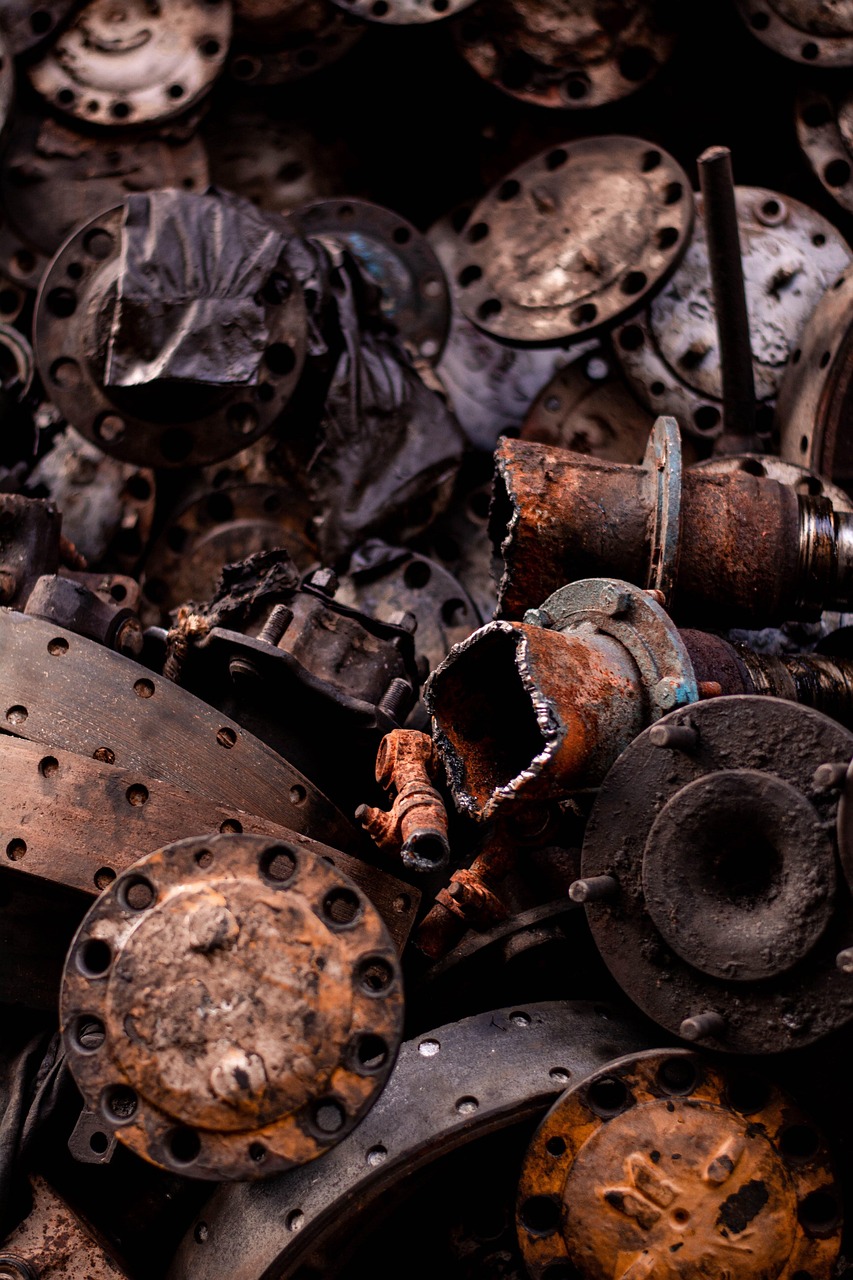
Workplace accidents involving scrap metal injuries are more common than many think, so can you claim for a scrap metal injury at work? Whether you’re working in construction, recycling, demolition, or a factory environment, handling scrap metal can potentially pose significant risks.
Unfortunately, serious work injuries can be caused by sharp edges, heavy loads, or improperly stored materials. However, if your injury was due to employer negligence, you may be eligible to claim compensation through a personal injury claim
Why Are Scrap Metal Injuries So Dangerous?
Scrap metal injuries can be both acute and long-term. These injuries may include:
- Deep cuts or lacerations
- Crushed limbs or fractures
- Tetanus or infections from rusty metal
- Head injuries from falling metal
- Chemical burns if metals are contaminated
- Back or spinal injuries from lifting heavy metal objects
According to Health and Safety Executive (HSE) statistics, improper handling or lack of training are leading causes of these incidents. And when safety regulations aren’t followed, workers may possibly suffer the consequences.
When Can You File a Personal Injury Claim for a Scrap Metal Injury?
If you’ve suffered a scrap metal injury at work, and it was due to someone else’s negligence, you are entitled to pursue a personal injury compensation claim. The negligence may have been caused by your employer, a co-worker, or a third-party contractor.
However, to have a valid claim, you’ll need to prove:
- Duty of care: Your employer had a legal obligation to ensure a safe working environment.
- Breach of duty: That duty was breached (e.g., no safety gloves, poor storage, faulty equipment).
- Causation: The breach directly caused your injury.
- Damages: You suffered physical, emotional, or financial losses.
Common Causes of Scrap Metal Injuries at Work
Here are some of the common causes which can help support your claim:
- Lack of PPE (personal protective equipment)
- Improper training or supervision
- Poor maintenance of equipment
- Unsafe storage of scrap metal
- Overloading or mishandling heavy metal pieces
- Slips, trips, and falls caused by debris
If any of these led to your injury, you likely have grounds for a claim.
What Can You Claim Compensation For?
If your claim is successful, you may be entitled to compensation for:
- Medical expenses (hospital stays, rehabilitation, medication)
- Loss of earnings (past and future income)
- Pain and suffering
- Psychological trauma
- Loss of quality of life
- Out-of-pocket expenses (transport, home adjustments, etc.)
The amount of compensation varies depending on the severity of your injury and how it has affected your life and career. Your personal injury lawyer will be able to give you an estimate with regard to your claim.
5 FAQs About Injuries At Work
- How long do I have to file a personal injury claim after a scrap metal injury?
You typically have three years from the date of the injury (or from when you first became aware of it) to file your claim. It’s important to start your claim as early as possible to gather evidence and witness statements while they are still fresh.
- What is the most common cause of employer negligence?
Failing to provide a safe working environment for employees is often the most common cause of employer negligence. This is particularly through inadequate risk assessments and lack of proper training.
- Do I need to go to court to get compensation?
Most personal injury claims are settled out of court. Solicitors aim to negotiate fair settlements with the employer’s insurance company. However, if a fair settlement cannot be reached or liability is disputed, the case may proceed to court.
- Will making a claim affect my job?
Legally, your employer cannot fire or retaliate against you for making a workplace injury claim. If they do, it could open them up to further legal action for unfair dismissal or discrimination. Employers are required to carry liability insurance for exactly these situations.
- How much does it cost to make a personal injury claim?
Many personal injury solicitors operate on a ‘No Win, No Fee’ basis, also known as a conditional fee agreement). This means you don’t pay any upfront legal fees. If your case is unsuccessful, you won’t owe anything. If you win, the solicitor takes an agreed percentage (usually up to 25%) from the compensation.
Steps to Take If You’ve Been Injured by Scrap Metal at Work
If you’ve been injured, follow these steps to protect both your health and your legal rights:
- Seek immediate medical attention – even minor injuries can become serious.
- Report the accident to your supervisor or manager and ensure it’s logged in the accident book.
- Take photos of the injury, the scene, and the scrap metal involved (if safe to do so).
- Get witness statements from any co-workers who saw the incident.
- Keep records of all medical treatments, prescriptions, and out-of-pocket costs.
Contact Us for a Free, No Obligation Consultation
Workplace injury law can be complex, especially when multiple parties are involved or liability is unclear. A specialist workplace injury solicitor can help you:
- Determine if you have a valid claim
- Gather and present strong evidence
- Handle negotiations with insurers
- Maximize your compensation payout
At Jefferies Claims, we will guide you through the claims process. We partner with experienced lawyers who will assess all aspects of your case and who work on a ‘No Win, No Fee’ basis.
Contact Jefferies Claims today at 0333 358 3034 or complete our online contact form to arrange an initial no-obligation telephone consultation.