
1
Contact or call for free on 0333 358 3034

2
Talk through the details of your claim. Just so you know, we're FCA regulated.

3
Find out if you could claim & speak to a real person.

4
Secure the compensation you deserve

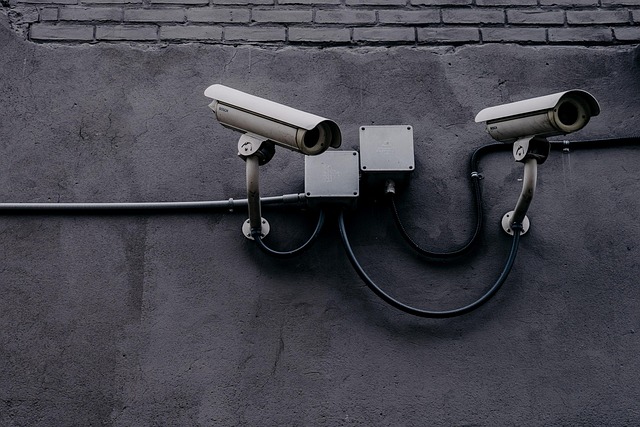
Can You Use CCTV Evidence if Injured at Work?
Written by Tanya Waterworth, Digital Content Writer
About Our Legal Expert: This content is produced with oversight by Michael Jefferies, Managing Director who has over 30 years’ legal experience.
No Win No Fee Personal Injury Claims
Workplace accidents can happen in any industry, from construction sites to office environments, but can you use CCTV evidence if injured at work? In England and Wales, CCTV footage may support a personal injury claim. In fact, it may play a crucial role in proving exactly what happened, who was responsible and how your injury occurred.
If you have been injured at work due to unsafe conditions or employer negligence, you may be eligible file a personal injury claim for compensation.
These claims cover not only pain and suffering, but also financial losses, such as medical expenses, lost income and rehabilitation.
The Role of CCTV Evidence in Workplace Injury Claims
CCTV evidence is often used in personal injury claims and it can strengthen negotiations with insurers and support your case in court:
- Objective proof of events: CCTV footage provides an impartial record of what happened. Unlike witness statements, which may be inconsistent, video evidence captures the incident in real time.
- Establishing liability: If your employer disputes responsibility, CCTV footage can clearly show whether safety procedures were followed or not.
- Supporting medical evidence: Footage can show the severity of the accident, which supports medical reports about your injuries.
- Countering disputes: Employers or insurers may argue that you were careless. CCTV can help prove otherwise.
Legal Framework for CCTV Use
CCTV use in workplaces is regulated by data protection laws. Employers must inform staff if CCTV cameras are in operation and ensure footage is stored securely.
This means that if you are injured at work, you can legally request CCTV footage to support your claim. Your solicitor may handle this process on your behalf to ensure compliance with data protection rules.
Common Workplace Accidents Captured on CCTV
CCTV is useful in claims such as:
- Slips, trips, and falls: Footage can show hazards like wet floors, cluttered walkways, or poor lighting.
- Machinery accidents: Cameras may capture whether safety guards were missing or training was inadequate.
- Manual handling injuries: Footage can demonstrate unsafe lifting practices or lack of assistance.
In each scenario, video evidence can significantly strengthen your case by showing exactly how the accident occurred.
What to Do Immediately After a Workplace Injury
If you suffer an injury at work which was not your fault, taking the right action for both your health and your claim is essential:
- Seek medical attention: Your health should always come first. Visit a doctor or hospital and ensure your injuries are documented. These records will also detail injuries suffered.
- Report the accident: Notify your employer and ensure the incident is recorded in the workplace accident book.
- Identify CCTV cameras: Make a note of where cameras are located and whether they may have captured the incident.
- Gather witness details: Collect names and contact information of colleagues who saw what happened.
- Take photographs: If possible, photograph the accident scene, hazards, or equipment involved.
- Request CCTV footage: Ask your solicitor to submit a Subject Access Request (SAR).
Your Step-by-Step Guide to Making a Personal Injury Claim
Step 1: Contact a Personal Injury Solicitor
We partner with personal injury solicitors who are highly experienced in claims for accidents at work. They will be able to advise whether you have a valid claim and to estimate potential compensation. They also offer on a no win, no fee option, meaning you only pay if your claim succeeds.
Step 2: Establish Liability
Your solicitor will investigate whether your employer breached their duty of care. Employers are required to provide a safe working environment under the Health and Safety at Work Act 1974.
Step 3: Collect Evidence
This may include:
- CCTV footage
- Accident book entries
- Witness statements
- Medical reports
- Photographs of the scene
Step 4: Calculate Compensation
Compensation covers:
- General damages: Pain, suffering, and loss of amenity.
- Special damages: Financial losses such as lost earnings, medical expenses, and travel costs.
Your solicitor will be able to calculate an estimate regarding your claim.
Step 5: Negotiate with Insurers
Most claims are settled out of court. Your solicitor will negotiate with your employer’s insurance company using the evidence gathered.
Step 6: Court Proceedings (if necessary)
If settlement cannot be reached, your solicitor may issue court proceedings. CCTV evidence may be presented to support your case.
Why CCTV Evidence Strengthens Your Claim
Without CCTV, claims often rely on witness testimony, which may be unreliable. However, video footage is often regarded as strong evidence as it:
- Provides clarity on facts which may be disputed.
- Shows whether safety measures were ignored.
- Demonstrates the exact sequence of events.
- Helps establish credibility in negotiations or court.
Importantly, CCTV can be the difference between a successful claim and one that fails due to lack of evidence.
Challenges with CCTV Evidence
While CCTV provides solid evidence, there are challenges:
- Retention periods: Employers may only keep footage for 30 days. Acting quickly is vital.
- Privacy concerns: Footage may include other employees, requiring careful handling.
- Technical issues: Poor camera angles or low resolution may limit usefulness.
Despite these challenges, solicitors are skilled at obtaining and presenting CCTV evidence effectively.
Key Takeaways
- CCTV evidence is admissible in workplace injury claims in England and Wales.
- You can request footage through a Subject Access Request under UK GDPR.
- Acting quickly is essential due to limited retention periods.
- Personal injury claims involve reporting the accident, gathering evidence, and working with a solicitor.
- Compensation can cover both physical suffering and financial losses.
Need Help Today?
CCTV evidence can be a game‑changer in workplace injury claims. It provides clear, objective proof of what happened, helping you establish liability and secure fair compensation.
Acting quickly, gathering evidence, and seeking expert legal advice are the keys to a successful claim.
📞 Contact our professional team at Jefferies Claims on 0330 818 0038. Alternatively, complete our online contact form to arrange a free, no-obligation consultation.