
1
Contact or call for free on 0333 358 3034

2
Talk through the details of your claim. Just so you know, we're FCA regulated.

3
Find out if you could claim & speak to a real person.

4
Secure the compensation you deserve

Compensation for Injured Solar Panel Fitters
Written by Tanya Waterworth, Digital Content Writer
About Our Legal Expert: This content is produced with oversight by Michael Jefferies, Managing Director who has over 30 years’ legal experience.
How to Make A Successful Claim
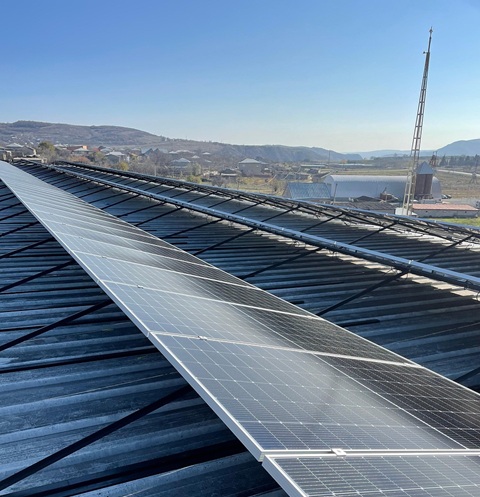
The growth of renewable energy industry has also seen a rise in workplace accidents and if you’ve been injured on the job, there is compensation for injured solar panel fitters. The demand for green energy has created thousands of jobs for new fitters and these skilled workers help households, businesses and local authorities.
The nature of the job requires solar panel fitters to work at height, handle heavy equipment and operate in unpredictable environments. While helping to lower carbon emissions and lower energy costs, the work is hazardous. So, adding employer negligence and unsafe working conditions into the mix, makes it risky for solar panel fitters.
If you or a loved one has been injured at work because of employer negligence while working on solar panel installation, our team can help. We work with specialist work injury lawyers who will assess your case and secure the maximum compensation for you.
We offer a free, no-obligation consultation when you can find out if you have a valid claim and to file a claim for compensation.
Why Solar Panel Fitters Face Higher Risks at Work
Unlike many jobs, fitters rarely work in controlled indoor settings. Their work day will include roofs, scaffolding, ladders, and construction sites, all of which present risks that can lead to serious injury.
Employers have a legal duty of care to protect workers. If you are injured because your employer failed to provide safe working conditions, training, or equipment, you can make a personal injury claim.
The Top 6 Injuries Among Solar Panel Fitters
Solar panel installers face a range of risks. Here are the most common injuries we see in workplace claims:
1. Falls from Height
Working on rooftops is one of the most hazardous aspects of solar installation. Falls from ladders, scaffolding, or rooftops can result in broken bones, spinal injuries, and even serious head injuries.
2. Manual Handling Injuries
Solar panels are heavy and awkward to manoeuvre. Poor manual handling training or lack of lifting equipment may lead to back injuries, slipped discs, or repetitive strain injuries.
3. Electrical Burns and Shocks
Solar panels may generate electricity for off-grid systems. Fitters risk electrocution or burns if safety procedures are ignored. But grid-tied panels will shut down for safety during a blackout as a safety measure to prevent electrocution of utility workers.
4. Head Injuries
Falling tools, collapsing scaffolding, or slips can cause head injuries ranging from mild concussion to potential brain damage.
5. Cuts and Lacerations
Handling glass panels and sharp tools without adequate protective equipment may lead to serious cuts or infections.
6. Heat and Weather-Related Injuries
Roof work exposes fitters to extreme temperatures. Heat exhaustion, dehydration, and cold stress are frequent problems.
Providing a Safe Working Environment
Under the Health and Safety at Work Act 1974, employers are required to provide:
- Adequate training for working at height and handling electrical systems.
- Proper personal protective equipment (PPE) such as helmets, harnesses, gloves, and safety boots.
- Safe scaffolding and ladders in good condition.
- Risk assessments before work begins.
- A safe system of work for heavy lifting and panel installation.
If your employer failed in any of these duties and you were injured, you can claim solar panel injury compensation through a personal injury solicitor.
How to File a Personal Injury Claim if Injured While Installing Solar Panels
Making a successful claim involves several important steps as follows:
- Report the Accident
Always report your accident to your employer immediately and ensure it is recorded in the company’s accident book. If possible, take photographs of the scene and your injuries.
- Seek Medical Attention
Get medical treatment, even for minor injuries. Your medical records will serve as critical evidence in your claim.
- Collect Evidence
Gather witness statements, photographs, accident reports, and details of any defective equipment. The stronger your evidence, the stronger your claim.
- Contact a Personal Injury Solicitor
We work with highly experienced solicitors who will assess your case and determine if your employer breached their duty of care. In addition, they handle claims on a No Win, No Fee basis, meaning you don’t pay legal fees unless your case succeeds. This also means there are no upfront costs for you to worry about.
- File the Claim
Your solicitor will notify your employer’s insurance company of your claim. Most cases settle out of court. However, if necessary, they will represent you in legal proceedings.
- Receive Compensation
If your claim is successful, you will receive a financial settlement which typically covers your medical costs, lost wages, and pain and suffering.
What Can Compensation Cover?
Compensation for an injured solar panel fitter may include:
- General Damages – Pain, suffering, and loss of amenity.
- Special Damages – Financial losses such as loss of earnings, travel costs, and medical expenses.
- Future Losses – Loss of future earnings if your injury prevents you from working.
- Rehabilitation Costs – Physiotherapy, occupational therapy, or specialist treatments.
- Care Costs – Professional care or assistance from family members.
The amount you receive depends on the severity of your injury and its impact on your life. Your solicitor will be able to give you an estimate based on your case.
Time Limits for Making a Solar Panel Injury Claim
Under the law, you generally have three years from the date of the accident, or from the date you became aware of the injury, to make a claim. Exceptions may apply for:
- Workers under 18 (three years from their 18th birthday).
- Cases where the injured person lacks mental capacity.
It is always best to seek legal advice as soon as possible to ensure your claim is filed in time and while it is still possible to gather crucial evidence.
FAQs About Solar Panel Injury Claims
Can I claim if I am self-employed?
Yes. Many solar panel fitters work as subcontractors. If you were injured due to unsafe conditions provided by the main contractor or site manager, you may still claim compensation.
What if I was partly at fault?
You may still receive compensation. The amount awarded could be reduced if you share responsibility, but you will not lose your right to claim.
Will my employer be angry if I claim?
Compensation is paid by your employer’s insurance company, not directly by them. It is illegal for an employer to dismiss or treat you unfairly for making a valid claim.
Get Legal Help Today
Our team understands the unique risks faced by solar panel fitters and will fight to secure maximum compensation for your injuries.
Here’s why clients trust us:
- No Win, No Fee claims with no financial risk to you.
- Expert solicitors specialising in workplace accidents.
- Compassionate support throughout your recovery.
We know how difficult it can be to recover from a workplace injury. If you’ve been injured while fitting solar panels, talk to our friendly team about filing a personal injury claim for compensation to help you through this tough time. Acting quickly, gathering evidence, and seeking expert legal advice are the keys to a successful claim.
📞 Contact our friendly team at Jefferies Claims on 0333 358 3034. Alternatively, complete our online contact form to arrange a free, no-obligation consultation.