1
Contact or call for free on 0333 358 3034

2
Talk through the details of your claim. Just so you know, we're FCA regulated.

3
Find out if you could claim & speak to a real person.

4
Secure the compensation you deserve

Family Heirloom Disputes in Probate
Written by Tanya Waterworth, Digital Content Writer
About Our Legal Expert: This content is produced with oversight by Michael Jefferies, Managing Director who has over 30 years’ legal experience.
Legal Guide (England & Wales)
Probate disputes over family heirlooms frequently arise during probate in England and Wales. This is particularly when wills are unclear or expectations differ. Family heirlooms connect generations and preserve family history. Unfortunately, these probate disputes may quickly escalate into contentious probate claims which puts emotional strain on families during a difficult time.
While it is preferable to seek alternative resolution, such as mediation, for such family conflicts – sometimes it becomes more serious and you may want to make a contentious probate claim to challenge a will. So if you are in the middle of a heirloom dispute, our blog contains information on what you should do next.
What Is a Family Heirloom in Probate Law?
In probate matters, a family heirloom is any personal possession passed down because of its historical, sentimental, or cultural significance rather than its financial value:
- Antique jewellery, such as rings, brooches, or watches
- Military medals and memorabilia, including service medals and uniforms
- Silverware and china, often inherited through generations
- Paintings, photographs, and family documents, including letters and diaries
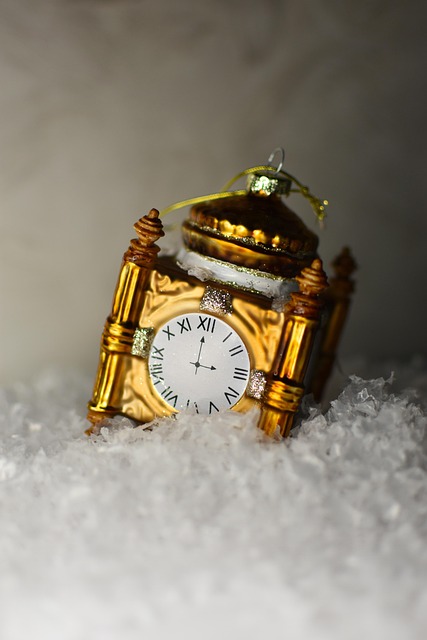
- Antique furniture and clocks, such as grandfather clocks
- Musical instruments, including violins or pianos with family history
Under English and Welsh law, heirlooms form part of the deceased’s estate and are treated as personal chattels (tangible, movable property) unless the will specifies otherwise.
Why Do Probate Disputes Over Heirlooms Arise?
Probate disputes tend to commonly occur when emotional expectations clash with legal entitlements. The most frequent causes can include:
Unclear or Poorly Drafted Wills
Many wills refer to “personal possessions” without listing specific heirlooms. This lack of clarity often leads beneficiaries to dispute ownership.
Conflicting Family Expectations
Informal promises made during a lifetime, for example “this will be yours one day” – can create expectations that are not legally binding. When the will contradicts those expectations, disputes may arise.
Executor Difficulties
Executors must follow the will and probate law. When family members pressure them to distribute heirlooms informally, executors can face accusations of bias or breach of duty.
Perceived Unfairness
Even valid wills can cause disputes if one beneficiary receives heirlooms of high sentimental or financial value, leaving others feeling excluded.
Examples of Probate Disputes Over Family Heirlooms
1. Dispute Over War Medals
Two siblings inherited their father’s estate under a will directing them to “share personal effects as agreed.” Their grandfather’s Second World War medals became the focal point of a probate dispute. One sibling wanted to retain the medals; the other wanted them sold and the proceeds divided. Mediation resolved the dispute without court proceedings.
2. Antique Clock Probate Dispute
An antique clock formed part of an estate where the will failed to specify ownership. A nephew claimed the deceased promised him the clock in recognition of care provided. The court rejected his proprietary estoppel claim due to insufficient evidence, and the clock passed under the residuary estate.
3. Jewellery Dispute Between Siblings
A daughter inherited her mother’s jewellery under the will. Her brother disputed the distribution, arguing it caused an imbalance in the estate. Although the will was legally valid, the parties negotiated a settlement to avoid contentious probate litigation.
What to Do If There Is a Dispute Over a Family Heirloom
- Review the Will and Probate Documents
Carefully examine how the will deals with personal possessions. Executors should identify whether the heirloom forms part of a specific gift or the residue of the estate.
- Communicate Early
Early communication between beneficiaries can prevent misunderstandings from escalating into formal probate disputes.
- Use Probate Mediation
Mediation is strongly encouraged in England and Wales for probate disputes. It is cost-effective, private, and often preserves family relationships.
- Consider Practical Solutions
Alternatives to litigation include:
- Sharing possession of the heirloom
- Selling the item and dividing proceeds
- Placing the heirloom in trust
- Donating the item to a museum or charity
- Seek Specialist Legal Advice
We partner with a panel of solicitors specialising in contentious probate who can assess your position, explain your rights, and advise on the best strategy.
How to Start a Contentious Probate Claim Over a Family Heirloom
If a dispute over a family heirloom involves a disagreement about the validity or interpretation of a will, you may need to bring a contentious probate claim. The first step is obtaining specialist legal advice to identify valid grounds for challenging the will.
Grounds may include such lack of testamentary capacity, undue influence, improper execution, or ambiguity in how personal possessions are distributed. You may then enter a caveat at the Probate Registry, which prevents the grant of probate and stops estate distribution while the dispute is investigated.
Your solicitor will usually issue a formal letter of claim setting out the legal basis of the dispute and identifying the heirloom in question, supported by evidence such as witness statements or correspondence. Courts in England and Wales expect parties to attempt alternative dispute resolution, particularly mediation, before commencing proceedings.
Only if resolution fails will the claim proceed to court for judicial determination.
Family Heirlooms Under the Law
Under probate law, heirlooms are treated as estate assets. Executors must distribute them strictly according to the will or intestacy rules. Courts prioritise legal entitlement over emotional attachment.
Judges may consider:
- The precise wording of the will
- Evidence of the deceased’s intentions
- Whether proprietary estoppel applies
- Relevant case law
Litigation can resolve disputes, but it may often increases costs and damages family relationships.
Free Consultation: Contact Our Team Now
Probate disputes over family heirlooms are common in England and Wales, particularly where wills lack clarity. Clear drafting, early communication, and professional advice may considerably reduce the risk of conflict.
Our partner panel of specialist lawyers offer a range of fee structures, including ‘No Win, No Fee’ along with other flexible funding – contact our team now to arrange your free consultation:
📞 Call us: 0330 818 0351
📝 Online: Complete our online form