
1
Contact or call for free on 0333 358 3034

2
Talk through the details of your claim. Just so you know, we're FCA regulated.

3
Find out if you could claim & speak to a real person.

4
Secure the compensation you deserve

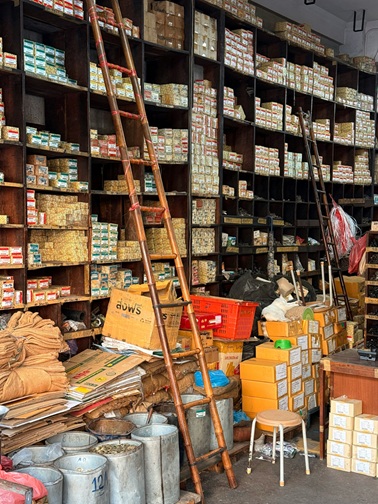
Hurt In An Overfull Stockroom?
Written by Tanya Waterworth, Digital Content Writer
About Our Legal Expert: This content is produced with oversight by Michael Jefferies, Managing Director who has over 30 years’ legal experience.
What To Do and How To Claim Compensation
A cramped, overfull stockroom can be an accident waiting to happen and if you’ve been hurt in a stockroom at work which wasn’t your fault, you may want to file a personal injury claim. Anyone who has worked in a stockroom is well aware of how quickly it can fill up with stacked shelves and multiple boxes. When deliveries pile up and space disappears, accidents can start to happen.
Many injuries which happen in a stockroom are preventable, so if you’ve been injured at work in this way, our team can help. A room bursting at the seams always holds an injury risk.
When does a stockroom becomes a hazard?
An overfull stockroom tends to happen gradually. One extra delivery that doesn’t get unpacked. A few boxes left in the walkway “just for now”. A ladder that’s blocked in by a trolley. Before long, the space becomes a maze, and everyone working in it is simply trying to make their way through.
In our experience, the most common accidents in these situations will follow a familiar pattern:
- Falling objects when boxes are stacked either too high or too loosely and are essentially unbalanced.
- Trips and slips caused by cluttered walkways or packaging left on the floor
- Back and shoulder injuries from lifting awkward loads because there’s just no space to move around
- Crush injuries when someone tries to shift a heavy stack that’s been balanced precariously
- Falls from height when workers climb unstable piles instead of using proper equipment
These accidents typically happen when a worker is rushing to restock shelves or meet delivery deadlines while working in an unsafe space. Which is why in England and Wales, employers are legally bound to provide stockrooms which are safe and organised for staff.
Why overcrowded stockrooms are an employer’s responsibility
It’s easy to feel like you’re partly to blame when you get injured at work. Maybe you were trying to grab something quickly, didn’t want to bother your manager or thought you could lift that box even though it felt too heavy.
However, the law expects your employer to create an environment where you don’t have to take unnecessary risks in the first place. The guidelines are laid out for employers by the Health and Safety Executive (HSE).
This includes:
- Providing enough storage space for the volume of stock
- Ensuring walkways are kept clear
- Training staff on safe lifting and handling
- Carrying out regular risk assessments
- Fixing hazards promptly
- Making sure equipment like ladders and trolleys are accessible
If your stockroom is so full that you can hardly move, that’s not your fault. More importantly, if you’re injured because of it, you’re entitled to explore a personal injury claim.
What to do if you’re injured in an overfull stockroom
The moments after an accident can feel confusing and chaotic, especially if you’re in pain or embarrassed. But the steps you take early on can make a big difference later.
Report the accident Tell your manager or supervisor as soon as you can. Make sure the incident is written in the accident book. Most companies have one of these, but if your workplace doesn’t have one, send an email so there’s a written record.
Get medical attention Even if you think you’ll “walk it off,” get checked. Injuries from falling objects or lifting heavy stock can get worse over time, especially during the next week or so. A medical record is important as it also helps show that the injury happened when and how you say it did.
Take photos if possible A picture of the cluttered stockroom, the fallen boxes, or the blocked walkway are considered as strong evidence. These images capture the reality of the environment before anyone has a chance to tidy it up.
Get witness details If colleagues saw what happened, or even if they can confirm the state of the stockroom, take a note of their names and if possible, get their contact details.
Keep receipts and records Travel costs to medical appointments, pain medication expenses, lost wages can all form part of your claim.
There’s no need to confront your employer, you’re simply gathering information that helps show what happened.
Making a personal injury claim when it wasn’t your fault
A lot of people are reluctant to make a claim because they worry about causing trouble at work. But employers should be insured for workplace accidents as they do happen. Your lawyer will negotiate with the insurance company regarding compensation. It’s also important to remember there are strict laws in the UK around dismissal and you cannot be fired for making a claim.
When you speak to a solicitor, they’ll want to find out more about the following details:
- How the accident happened
- What the stockroom was like at the time
- Whether your employer had ignored previous complaints
- What injuries you suffered
- How the injury has affected your life
We work with solicitors who will guide you through everything step by step. Most workplace injury claims run on a no‑win, no‑fee basis, which means you don’t pay anything upfront and will only pay a percentage of the compensation if you win your claim.
What compensation can cover
Compensation isn’t just about the injury itself. It’s about the ripple effect it has on your life. Depending on your situation, a claim typically covers pain and suffering, medical costs and lost earnings and even future loss of earnings and help at home if you need it.
It’s important to know that if your injury has forced you to take time off, changed the way you work, or affected your day‑to‑day life, that impact matters to your claim.
Why speaking up helps
We have noticed that one of the most overlooked parts of making a claim is the difference it can make to the workplace where the accident happened. When someone is injured in an overpacked stockroom, it’s generally not a one‑off problem. In fact, it’s a red flag that the company needs to resolve the situation before anyone else gets hurt.
A claim often finds employers taking a closer look at what exactly went wrong. It encourages them to improve storage systems, reorganise stock, invest in equipment, or rethink staffing levels.
Getting Your Claim Started – Free Consultation
It’s easy to downplay your own injury, especially if you’re used to just ‘getting on with things’. But if you were hurt because your workplace was unsafe, you’re not being unreasonable.
Take the next step, contact our team on 0333 358 3034. Alternatively, complete our online contact form to arrange a telephone consultation – it’s free, confidential and there’s no obligation.