
1
Contact or call for free on 0333 358 3034

2
Talk through the details of your claim. Just so you know, we're FCA regulated.

3
Find out if you could claim & speak to a real person.

4
Secure the compensation you deserve

Lost Your Vision In A Workplace Accident?
Written by Tanya Waterworth, Digital Content Writer
About Our Legal Expert: This content is produced with oversight by Michael Jefferies, Managing Director who has over 30 years’ legal experience.
Causes and How to Claim Compensation
Have you lost your vision in a workplace accident? Each year employees can suffer serious eye damage due to accidents occurring at work. Unfortunately, some of these may result in permanent vision loss.
Importantly, if the accident happened due to employer negligence, you may be eligible to file a personal injury claim for compensation. So if you’ve lost your sight, either partially or fully, due to an accident at work, here’s what you need to know and next steps.
How Can Loss of Sight at Work Happen?
Workplaces present a wide range of hazards for employees’ eyes, and certain industries carry higher risks. The Health and Safety Executive (HSE) reports that many cases of serious eye injury are preventable with proper safety measures.
Here are some of the most common causes:
- Chemical Exposure
Chemicals such as acids, alkalis, and cleaning agents can cause severe eye burns and scarring. Without proper eye protection and training, workers in manufacturing, cleaning, or laboratory roles face a high risk.
- Flying Debris and Particles
Industries like construction, carpentry, and metalwork often involve cutting, grinding, or drilling. Without the correct PPE such as safety goggles, small fragments can enter the eye, leading to corneal damage or blindness.
- Impact Injuries
Tools, machinery, or even falling objects can cause blunt force trauma to the eye socket, damaging the retina or optic nerve.
- Radiation and Bright Light Exposure
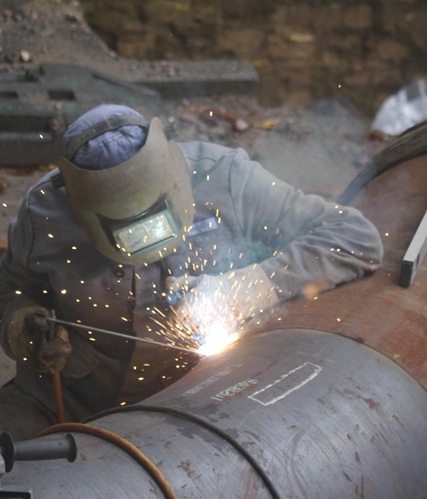
Prolonged exposure to bright light sources — such as welding arcs or lasers — can cause photokeratitis (over-exposure to UV radiation) or long-term retinal injury.
- Infectious Diseases
In healthcare and laboratory settings, infectious fluids splashed into the eye can cause severe infections that impair vision.
- Inadequate Safety Training
Even in relatively low-risk workplaces, poor training on safe procedures can contribute to avoidable accidents.
Your Employer’s Duty of Care
Employers are legally required to take reasonable steps to protect the health, safety, and welfare of their employees. This includes:
- Providing and maintaining safe work equipment
- Supplying appropriate Personal Protective Equipment (PPE) such as safety goggles or face shields
- Conducting regular risk assessments
- Offering proper training and supervision
- Following industry-specific safety regulations
If your employer fails in these duties and you lose your sight as a result, this may constitute employer negligence.
What Is Employer Negligence?
Employer negligence occurs when an employer breaches their duty of care, directly causing injury to an employee. For example:
- Failing to provide safety goggles during work with hazardous materials
- Ignoring maintenance issues that cause equipment to malfunction
- Not training employees in safe handling of tools or chemicals
- Allowing unsafe work practices to continue despite knowing the risks
If you can prove that your loss of sight was caused by such failings, you may be entitled to pursue a personal injury claim.
Can You Claim Compensation for Loss of Sight at Work?
Yes, if the accident was caused by your employer’s negligence, you can make a claim. Compensation can help cover both financial losses and the long-term impact on your quality of life.
You typically have three years from the date of the injury, or from the date you realised your sight loss was work-related, to start your claim.
How to Prove Your Claim
To succeed in a loss of sight claim, you’ll need evidence to show that:
- Duty of care — Your employer had a legal responsibility to protect you.
- Breach of duty — They failed to meet that responsibility.
- Causation — The breach directly led to your eye injury.
- Damages — You suffered harm (physical, emotional, and/or financial).
Therefore, helpful evidence includes:
- Accident reports
- Medical records and diagnosis
- Witness statements
- CCTV or photographs of the hazard
- Health and safety inspection records
How Much Compensation Could You Receive?
The amount of compensation depends on the severity of your sight loss and its impact on your life. Generally, your payout will include:
- General damages — For pain, suffering, and loss of amenity (quality of life)
- Special damages — Covering financial losses like lost earnings, medical treatment, travel costs, and specialist equipment
- Future losses — If your sight loss affects your ability to work or requires long-term care
According to Judicial College Guidelines (JCG), total blindness can attract awards exceeding £400,000, while partial loss of sight may result in lower but still significant settlements.
No Win, No Fee Claims
We partner with solicitors who offer No Win, No Fee agreements, which means:
- You don’t pay legal fees upfront.
- If your claim is unsuccessful, you won’t owe solicitor fees.
- If you win, a capped percentage is deducted from your compensation.
Steps to Take If You’ve Lost Sight at Work
- Seek urgent medical attention — Your health comes first.
- Report the accident to your employer and ensure it’s logged in the accident book.
- Gather evidence — Photos, witness details, and incident reports.
- Request medical records from your GP or hospital.
- Seek legal advice from a lawyer who is experienced in workplace injuries.
Quick Facts on Loss of Sight at Work
Here’s your quick fact list on everything you need to know about what to do if you’ve lost your sight in a workplace accident:
- Common causes: chemical splashes, flying debris, impact injuries, bright light/radiation exposure, infections, and inadequate safety training.
- Employer’s duty: provide PPE (e.g., safety goggles), training, safe equipment, and regular risk assessments under the Health and Safety at Work etc. Act 1974.
- Negligence examples: no eye protection provided, unsafe machinery left in use, lack of training, ignored safety hazards.
- Claim eligibility: you can claim if employer negligence directly caused your eye injury; 3-year limit from date of injury or diagnosis.
- Evidence needed: accident report, medical records, witness statements, photos/CCTV, safety inspection logs.
- Compensation covers: pain and suffering, loss of earnings, medical costs, specialist equipment, and future care.
- No Win, No Fee: most UK solicitors offer conditional fee agreements with no upfront cost.
- Next steps: get medical treatment, report the incident, collect evidence, and contact a workplace injury solicitor quickly.
Get Help Today
Losing your sight at work can be emotionally and financially devastating. If your employer failed to take reasonable steps to protect you, the law is on your side.
Whether you suffered total blindness, partial sight loss, or another serious eye injury, taking legal advice quickly is essential to protect your right to compensation.
At Jefferies Claims, we will guide you through the claims process. We partner with experienced lawyers who will assess all aspects of your case and who work on a ‘No Win, No Fee’ basis.
Contact Jefferies Claims today at 0333 358 3034 or complete our online contact form to arrange an initial no-obligation telephone consultation.