
1
Contact or call for free on 0333 358 3034

2
Talk through the details of your claim. Just so you know, we're FCA regulated.

3
Find out if you could claim & speak to a real person.

4
Secure the compensation you deserve

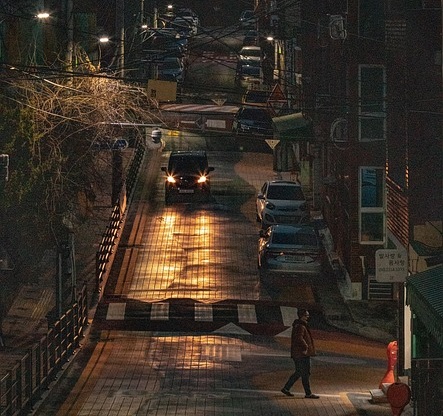
Pedestrian Accidents at Night
Written by Tanya Waterworth, Digital Content Writer
About Our Legal Expert: This content is produced with oversight by Michael Jefferies, Managing Director who has over 30 years’ legal experience.
How Poor Lighting Drives Risk and Injury
In England and Wales, pedestrian accidents at night remains a pressing concern, especially on poorly lit roads, footpaths, and parking areas. As more pedestrians travel after dark, the risks multiply. Whether it’s slipping on wet ground while crossing a road or being struck by a vehicle in a dimly lit car park, poor lighting can be a common factor in serious pedestrian accidents.
Why Poor Lighting Makes Night Time Walking Hazardous
Essentially, darkness dramatically reduces visibility for both pedestrians and drivers. Research shows that pedestrians are considerably more at risk of severe or fatal injury after dark. In fact, studies suggest the risk of fatal accidents is up to five times greater at night than during daylight hours due to limited visibility combined with other factors like weather and driver fatigue.
Another analysis highlights that collisions occurring in darkness are much more likely to result in serious or fatal injury than those in daylight While street lighting helps to reduce this risk, where lighting is absent or insufficient, the severity and frequency of accidents rise sharply.
Common Night Time Pedestrian Accident Scenarios
Poor lighting doesn’t just make roads darker, it can creates blind spots, shadows, and visual illusions that can lead to a variety of accidents. Here are typical scenarios where inadequate lighting contributes directly to pedestrian injury.
1. Slipping and Tripping While Crossing Roads
In rainy and damp conditions, dark streets conceal surface hazards. Puddles, uneven paving slabs, dropped debris, and other obstacles may easily become hidden dangers. A pedestrian crossing a road may step into a deep puddle, lose footing on an unseen uneven surface, or slip on wet leaves simply because the lighting doesn’t reveal these hazards in time.
Even on urban roads, where lighting exists, poorly maintained footpaths and crossings can have dips or cracks that turn into trip hazards at night. Falls like these may cause sprains, fractures, or head injuries, especially if the person falls into the road or onto hard pavement.
2. Being Struck While Crossing Roads
One of the most serious types of accident is being struck by a vehicle. Drivers approaching in darkness often can’t see pedestrians until the last moment, especially if both the pedestrian and the vehicle headlights are in areas with uneven or insufficient lighting. Official UK data on pedestrian collisions lists “pedestrian wearing dark clothing at night” as a common contributory factor in fatal or serious injury collisions.
These accidents can occur on:
- Residential streets with partial or dim lighting
- Rural crossings where lights are absent
- Urban junctions with shadows from parked vehicles
- Uncontrolled crossings without illuminated signals
When a driver fails to see a pedestrian stepping into the carriageway, or misjudges their speed or distance because of poor lighting, the results may be severe.
3. Parking Area Collisions
Poorly lit car parks and service yards create unique risks. In these areas, drivers and pedestrians share space with little visual guidance. Recreational areas, supermarkets, apartment complexes, and transport hubs can often rely on minimal or old lighting infrastructure. Shadowed corners, structural posts, and other obstacles can hide pedestrians from a driver’s view until it’s too late.
Accidents in these settings tend to involve:
- Rear-end or side-impact collisions as a driver reverses or pulls out
- Trips or falls between cars or over speed bumps
- Collisions with moving vehicles where lighting doesn’t illuminate footpaths sufficiently
These environments are particularly risky when weather compounds the darkness as rain reflections and headlight glare further degrade visibility.
Typical Injuries from Nighttime Lighting-Related Accidents
Every pedestrian accident caused or worsened by poor lighting can lead to a range of injuries:
Soft Tissue Injuries
Sprains and strains from slips and trips are common. In darkness, pedestrians often lose balance. They may instinctively brace for impact, leading to injuries of the wrists, ankles, or shoulders.
Fractures and Broken Bones
Trips, falls, and vehicle strikes can break bones in the arms, wrists, legs, ribs, or pelvis. The risk of fracture is particularly high when someone falls onto hard surfaces.
Head and Brain Trauma
If a pedestrian hits their head during a fall or vehicle impact, the consequences can be severe. This may include concussions, skull fractures, or traumatic brain injury (TBI). These types of injuries often require extended medical treatment and rehabilitation.
Spinal and Internal Injuries
Strikes from vehicles at night, especially in poorly lit areas where reaction times are slower, may result in spinal damage, internal bleeding, or organ trauma. These injuries often require emergency surgery and long-term care.
When Poor Lighting Leads to a Personal Injury Claim
Not every pedestrian injury at night will result in a personal injury claim. However, there are well-established circumstances where poor lighting combined with negligence can form the basis for a claim for compensation for pedestrian accidents.
1. Negligent Drivers
If a driver failed to adjust their speed for the lighting conditions, didn’t use their headlights properly, or ignored basic care duties, they could be liable for injuries caused. This is particularly relevant where official investigations identify driver error. Examples can include failing to look properly or misjudging a pedestrian’s speed as a contributory factor to the collision.
2. Accidents Caused by Infrastructure Failures
However, poor or missing street lighting can be a factor where local authorities have a duty to maintain safe road conditions. If a light was reported faulty or a road was known to be inadequately lit, these can sometimes support a claim against the authority responsible for the maintenance of that stretch of road.
3. Parking Area Injuries Where Lighting Was Inadequate
Property owners, such as shopping centres, residential complexes, or private car park operators, often have a duty to ensure common areas are safe and well lit. If inadequate lighting contributed to a collision or a trip hazard that caused injury, these failures can be raised in a claim.
4. When Poor Lighting Compounds Weather or Surface Hazards
If darkness concealed a known hazard, for example uneven paving, a deep puddle, exposed cables, or slippery surfaces, then the party responsible for maintaining that area may be accountable. Evidence such as accident reports, photographs, and maintenance records can be crucial.
Start Your Claim
Poor lighting may be a critical safety hazard that increases the likelihood and severity of pedestrian accidents at night across England and Wales.
So if you, or a loved one, has suffered an injury as a pedestrian through no fault of yours, act quickly, gather evidence, and seek legal advice to claim compensation.
Our friendly team can guide you through a potential claim. Call us today at 0333 358 3034 or visit our contact page to discuss your case – we offer a no-obligation, free consultation.