
1
Contact or call for free on 0333 358 3034

2
Talk through the details of your claim. Just so you know, we're FCA regulated.

3
Find out if you could claim & speak to a real person.

4
Secure the compensation you deserve

Siderosis Compensation Claims
Written by Tanya Waterworth, Digital Content Writer
About Our Legal Expert: This content is produced with oversight by Michael Jefferies, Managing Director who has over 30 years’ legal experience.
Claim for Welder’s Lung Today
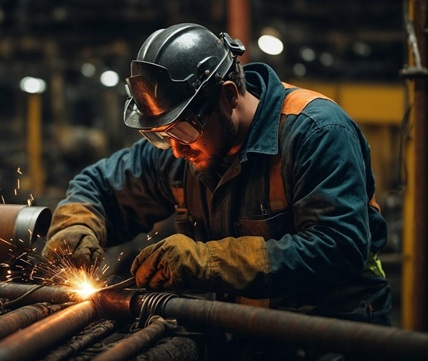
Siderosis compensation claims may result from prolonged exposure to iron dust. It is an industrial lung disease that typically affects welders and has also been referred to as ‘welder’s lung’. If you have developed siderosis due to employer negligence, such as inadequate protective measures, you may be entitled to claim compensation.
Siderosis should be preventable through proper workplace safety measures. Symptoms may include a persistent cough, shortness of breath or a tight chest. If left untreated, it may progress and significantly affect your life.
Jefferies Claims may be able to help if you’ve been injured at work. We work with lawyers who are experienced in work related claims and who offer ‘No Win, No Fee’ agreements, which means you only pay fees if your claim is successful.
Causes of Siderosis
The primary cause of siderosis is long-term exposure to iron particles at work. Common risk factors may include:
- Welding without proper respiratory protection
- Grinding or polishing metal surfaces
- Working in metal foundries or steel manufacturing
However, employers have a legal duty to provide protective equipment and maintain a safe work environment. Failure to do so can form the basis of a compensation claim.
Who Can Claim Siderosis Compensation?
Eligible claimants typically include:
- Welders and metalworkers
- Construction and factory workers
- Individuals who worked in industries with poor dust control measures
The key to a successful claim is proving that your condition was caused by your work environment. Therefore medical reports, employment records, and safety documentation play an important role in building a strong case.
What Is A Siderosis Compensation Claim?
Siderosis compensation claims fall under personal injury and occupational disease law. These claims aim to compensate victims for:
- Medical expenses related to diagnosis and treatment
- Lost income due to reduced working capacity
- Pain, suffering, and reduced quality of life
Unlike accidents, occupational disease claims often involve long-term exposure, so gathering historical evidence is essential.
Your Guide To Making a Siderosis Compensation Claim
Filing a siderosis compensation claim requires careful preparation. Here’s a step-by-step guide:
- Seek Medical Diagnosis
A formal diagnosis from a medical specialist in respiratory diseases will confirm that your lung condition is due to iron dust exposure. This documentation is critical for your claim.
- Gather Employment Records
Collect employment history, including job roles, duration, and safety measures provided. Any evidence of inadequate protective equipment strengthens your case.
- Document Workplace Conditions
Take photographs, collect safety reports, and obtain statements from co-workers. Proof of hazardous work environments demonstrates employer negligence.
- Contact a Specialist Solicitor
A solicitor experienced in occupational disease claims can assess your case, calculate potential compensation, and guide you through legal procedures.
- Submit Your Claim
Once prepared, your solicitor will submit a claim to your employer or their insurance provider. Most claims settle out of court, but some may require going to court.
- Receive Compensation
Successful claims result in financial compensation covering medical costs, lost earnings, and damages for pain and suffering.
How Much Compensation Can You Receive?
The amount of compensation for siderosis depends on several factors:
- Severity of your lung condition
- Impact on your daily life and ability to work
- Length of exposure to iron dust
- Age and overall health
While each case is unique, your solicitors can provide an accurate estimate regarding your particular claim.
Time Limits for Filing a Claim
Typically, you have three years from the date of diagnosis to file a claim. Early action is critical because collecting evidence becomes more difficult over time.
Common Challenges in Siderosis Claims
Claimants may face challenges, including:
- Difficulty proving the link between work exposure and disease
- Employers disputing the claim or safety measures provided
- Delays in obtaining medical documentation
Your personal injury lawyer will help you to address these challenge
FAQs About Siderosis Compensation Claims
Can I claim if I no longer work for the employer?
Yes, you can still file a claim as long as the disease was caused by your past job, and you meet the three-year limitation period, which means starting a claim within 3 years of diagnosis.
Is a solicitor necessary to file a claim?
While not legally required, a solicitor who specialises in occupational disease claims significantly improves your chances of success.
How long does a siderosis claim take?
The time a claim takes depends on complexity, medical evidence, and negotiations.
What if my employer disputes the claim?
Your solicitor will handle disputes and may take the case to court if necessary. Most claims settle out of court with negotiated compensation.
What Should I Do Next?
Siderosis is a serious occupational disease with long-term health implications. So if this has happened to you at work and you suspect your employer may have been negligent, it’s important to act quickly: collect evidence and contact our team for an initial, no-obligation consultation.
We partner with highly experienced solicitors who can assess whether you have a valid claim for compensation and guide you through the process.
📞 Call us: 0333 358 3034
📧 Email us: info@jefferiesclaims.co.uk
📝 Online: Complete our online form for your free consultation.