
1
Contact or call for free on 0333 358 3034

2
Talk through the details of your claim. Just so you know, we're FCA regulated.

3
Find out if you could claim & speak to a real person.

4
Secure the compensation you deserve

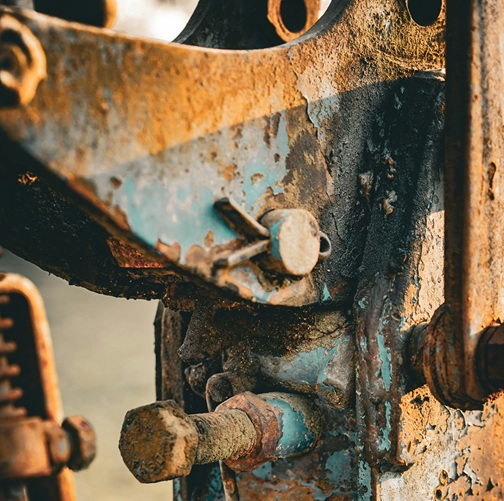
Top 6 Accidents Caused by Old or Unsafe Equipment at Work
Written by Tanya Waterworth, Digital Content Writer
About Our Legal Expert: This content is produced with oversight by Michael Jefferies, Managing Director who has over 30 years’ legal experience.
Are You Eligible to Claim Compensation?
If equipment becomes old, unsafe or unfit for purpose, it may lead to accidents in the workplace and here are the top six accidents caused by old or unsafe equipment at work. Faulty machinery, worn‑out tools, and outdated technology can turn routine tasks into hazardous situations. So, if you’ve been injured in England or Wales because your employer failed to provide safe, suitable equipment, you may be entitled to claim compensation.
There is typically a three year time limit from the time of the injury to file a defective work equipment compensation claim. Importantly, employers are legally required to provide a safe working environment for staff.
Why Unsafe or Ageing Equipment Puts Workers at Risk
In the UK, every employer has a duty to ensure that work equipment is safe, appropriate for the task, and in proper working order. However, when equipment becomes outdated or deteriorates through years of use, it can malfunction without warning.
Unfortunately, even small defects can create serious risks, especially in environments where machinery, tools, or vehicles are used daily. Old or unsafe equipment often leads to:
- Sudden mechanical failures
- Reduced control or stability
- Unpredictable movements
- Exposure to sharp edges or broken components
- Electrical faults
- Loss of protective features that once made the equipment safe
When these risks are ignored, workers are left vulnerable to accidents which may have been preventable.
Common Accidents Caused by Old or Unsafe Work Equipment
Unsafe equipment can cause injuries in almost any industry, from construction and manufacturing to retail, warehousing, and office environments. Below are some of the most frequent types of accidents linked directly to equipment that is outdated, defective, or no longer safe to use.
1. Machinery Malfunctions and Entanglement Injuries
Large machinery, such as conveyor belts, cutting machines, presses, and drills, can cause serious injuries when they malfunction. Ageing machinery may:
- Jam unexpectedly
- Fail to stop when required
- Lose power mid‑operation
- Operate at inconsistent speeds
- Shed or break components
These faults can lead to entanglement, crushing injuries, lacerations, or even amputations. When safety guards or emergency stop mechanisms are missing or no longer effective, the risk increases significantly.
2. Accidents Caused by Worn‑Out Hand Tools
Hand tools are used across almost every sector, and when they become worn or damaged, they can easily cause injury. Common examples include:
- Screwdrivers with loose handles
- Hammers with cracked shafts
- Blades that snap under pressure
- Spanners that slip due to worn jaws
- Power tools with frayed cables or faulty switches
These defects can lead to cuts, puncture wounds, electric shocks, or repetitive strain injuries caused by tools that no longer function correctly.
3. Falls from Faulty Ladders, Platforms, or Access Equipment
Access equipment must be stable and secure. When ladders, scaffolding, or platforms are old or poorly constructed, they can collapse or shift unexpectedly. Common issues include:
- Bent or weakened ladder rungs
- Loose stabilising feet
- Platforms with rotting or cracked boards
- Scaffolding with missing connectors or worn joints
Falls from height remain one of the most serious workplace accident types, and defective access equipment is a major contributor.
4. Injuries from Faulty Workplace Vehicles
Workplace vehicles, such as forklifts, pallet trucks, tractors, and company vans, must be kept in safe working condition. When they are old or poorly functioning, they can cause:
- Collisions due to faulty brakes
- Crushing injuries from steering defects
- Falls from vehicles with broken steps or handholds
- Manual handling injuries caused by malfunctioning lifting mechanisms
Even minor defects can make a vehicle unsafe, especially in busy or confined workspaces.
5. Electrical Accidents from Unsafe Equipment
Electrical equipment becomes dangerous when it deteriorates. Old wiring, cracked casings, and faulty insulation can expose workers to electric shocks, burns, or fires. Common culprits include:
- Outdated extension leads
- Old kitchen appliances in staff areas
- Faulty lighting equipment
- Damaged power tools
- Overloaded or defective sockets
Electrical injuries can be severe, and they often occur without warning.
6. Burns and Chemical Exposure from Faulty Industrial Equipment
In industrial settings, equipment used to heat, cool, or process chemicals must be kept in safe condition. However, when seals, valves, or temperature controls fail, workers can suffer:
- Burns from hot surfaces or steam
- Chemical splashes
- Respiratory injuries from fumes
- Skin irritation from leaks
Ageing equipment is more likely to corrode, crack, or lose pressure, making it a significant hazard for burn injuries.
Why These Accidents Happen
Accidents involving unsafe equipment usually stem from one or more of the following issues:
- Equipment has exceeded its safe working lifespan
- Safety features have deteriorated or been removed
- Replacement parts have not been fitted when needed
- Equipment is no longer suitable for the task
- Employers continue using outdated machinery instead of upgrading
- Employers do not inform workers that the equipment is unsafe.
These failures place employees at unnecessary risk and may often indicate a breach of workplace safety laws.
Claim Compensation for an Accident Caused by Unsafe Equipment
You may be able to claim compensation if your employer failed to provide safe, suitable, and properly functioning equipment and this caused your injury. Therefore, a claim is usually possible when:
1. The equipment was defective, outdated, or unsafe
Your employer may be liable if the equipment was visibly worn, malfunctioning, or no longer fit for purpose.
2. Your employer failed to replace or remove unsafe equipment
Continuing to use equipment that is known to be unsafe is a clear breach of duty.
3. You were not given the right equipment for the job
Sometimes the issue is not the condition of the equipment but its suitability. So, using the wrong tool or machine can be just as dangerous as using a faulty one.
4. Safety features were missing or ineffective
If guards, emergency stops, or protective components were absent or broken, your employer may be responsible for your injury.
5. You were injured while using equipment you were instructed or expected to use
You may have a valid claim if your employer required you to use equipment you were not properly trained to use and you did not feel comfortable using it.
6. The accident could have been prevented with safer equipment
If safer, modern, or properly functioning equipment would have avoided the accident, this strengthens your case.
How Compensation Helps After an Equipment‑Related Injury
A successful claim can help you recover financially and support your recovery. Typically, compensation can cover:
- Pain and suffering
- Loss of earnings
- Future financial losses
- Medical treatment and rehabilitation
- Travel expenses
- Adaptations or mobility aids if needed
The aim is to put you back in the position you would have been in had the accident not happened.
Contact Our Team
When employers fail to replace outdated machinery or allow defective tools to remain in use, they put workers at risk of serious injury. Therefore, you may be entitled to claim compensation if unsafe equipment caused your injury.
We partner with personal injury lawyers experienced in work injury claims who offer No Win No Fee agreements, as well as a free, no-obligation consultation to assess your claim.
To discuss your potential claim in confidence, contact us on 0333 358 3034. Alternatively, complete our online contact form to arrange your consultation.