
1
Contact or call for free on 0333 358 3034

2
Talk through the details of your claim. Just so you know, we're FCA regulated.

3
Find out if you could claim & speak to a real person.

4
Secure the compensation you deserve

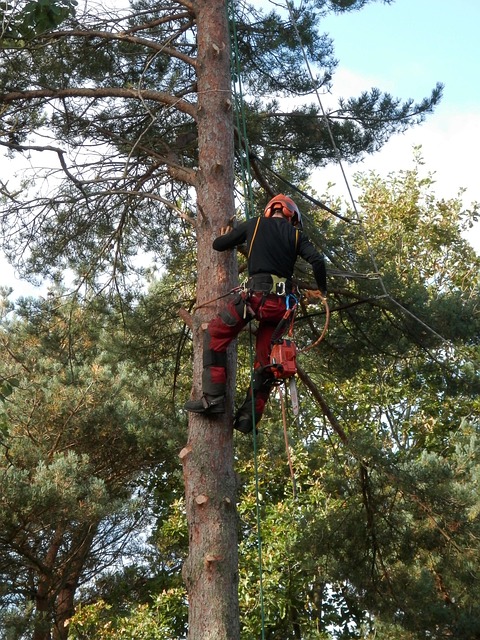
Tree Surgeon Injury Claims
Written by Tanya Waterworth, Digital Content Writer
About Our Legal Expert: This content is produced with oversight by Michael Jefferies, Managing Director who has over 30 years’ legal experience.
Was Your Employer Negligent About Safety?
Working as a tree surgeon, arborist, or tree feller comes with significant risks and you may be entitled to compensation if you’ve been injured in an accident working with trees. Personal injury claims for injuries at work can be filed if you’ve been hurt while working and your employer failed to provide a safe working environment or proper safety equipment.
While to can be a rewarding job, daily exposure to heavy machinery, heights, sharp tools and unpredictable condition makes tree surgery one of the most hazardous professions in England and Wales.
So, if you or a loved one has been injured while tree felling or surgery work, we partner with experienced personal injury lawyers who offer a free, initial consultation.
When Can You Make a Personal Injury Claim as a Tree Surgeon?
A personal injury claim arises when someone suffers harm due to another party’s negligence. As a tree surgeon, this could occur if your employer, contractor, or a third party was responsible for the accident due to unsafe working conditions or a lack of proper safety equipment. Here’s when you may be eligible to make a claim:
1. Workplace Accidents
Typically tree surgeons are self-employed, employed by landscaping firms, or work for local councils. Regardless of your employment status, if an accident occurs due to negligence resulting from poor working conditions, you may want to claim:
- Falling from a ladder or tree due to faulty equipment or insufficient safety measures.
- Accidents caused by improperly maintained chainsaws, wood chippers, or other machinery.
- Injuries sustained from falling branches or trees due to poor planning or negligence.
2. Failure to Provide Adequate Training or Equipment
Employers are legally required under the Health and Safety at Work Act 1974 to provide proper training and personal protective equipment (PPE). You may have a valid claim if you are injured because your employer failed to provide:
- Safety harnesses or ropes
- Chainsaw protective clothing (helmet, gloves, chaps)
- Training on how to operate machinery safely
3. Third-Party Negligence
Not all injuries occur because of your employer. If another contractor, property owner, or pedestrian acts negligently and you are injured, you may also be able to claim compensation, such as:
- A property owner failing to secure the area where you are felling trees.
- Another contractor hitting you with machinery while you’re working on-site.
Why You Should Act Promptly
Most personal injury claims must be made within three years of the accident. For minors, the claim period starts when they turn 18.
Therefore, it’s essential to act quickly because collecting evidence is much easier to obtain close to the date of the injury. This may include accident reports, witness statements, and medical records.
The Most Common Injuries for Tree Surgeons
Tree surgery is inherently risky and injuries can range from minor cuts to serious falls. Understanding the most common injuries can help you recognise when a claim may be necessary.
Falls from Height
One of the leading causes of injury among tree surgeons is falling from trees, ladders, or platforms. Falls may result in:
- Fractures and broken bones
- Spinal injuries, including paralysis in severe cases
- Head injuries, even if helmets are worn
Falls often occur because of improper use of ropes, harness failure, slippery surfaces, or lack of training.
Chainsaw Injuries
Chainsaws are commonly used tools for tree surgeons, but they are also extremely dangerous. Common injuries can include:
- Deep cuts and lacerations
- Nerve damage in hands or arms
- Severe scarring or permanent disability
Chainsaw accidents often happen due to lack of maintenance, improper handling, or rushing the job.
Crush Injuries
Crush injuries occur when heavy branches or trees fall unexpectedly, or when limbs get caught in machinery. These injuries can cause:
- Broken bones
- Internal injuries
- Severe bruising or long-term mobility issues
Head and Eye Injuries
Even with PPE, tree surgeons are at risk of head injuries from falling branches or equipment. Eye injuries can result from:
- Flying wood chips
- Chemicals used in tree treatment
- Improper safety goggles
Head injuries can range from concussions to traumatic brain injuries, while eye injuries may result in temporary or permanent vision loss.
Repetitive Strain and Musculoskeletal Injuries
Tree surgeons often perform physically demanding tasks, such as climbing, lifting, and operating machinery. Over a prolonged period, this may lead to:
- Chronic back pain
- Shoulder, wrist, or elbow injuries
- Tendonitis or other repetitive strain conditions
Even though these injuries may develop gradually, they can still form the basis of a personal injury claim if they are linked to unsafe working practices or a lack of ergonomic support.
How to Make a Tree Surgeon Injury Claim
Making a personal injury claim as a tree surgeon involves several key steps:
- Seek Medical Attention Immediately
It’s essential to get professional medical care, even if you believe your injury is minor. Medical records serve as vital evidence to support your case. Documenting injuries, treatments, and recovery timelines strengthens your claim.
- Report the Incident
Notify your employer or relevant authority about the accident. Workplace incidents are often recorded in accident books or logs. This official record can be crucial if your claim is disputed.
- Gather Evidence
Obtain as much evidence as you can and which may include:
- Photos of the accident scene
- Witness statements
- Safety equipment and machinery maintenance records
- Emails or messages showing lack of safety measures
- Consult a Specialist Solicitor
Personal injury claims can be complex. We work with a panel of solicitors specialising in workplace injuries understand the unique risks and legal frameworks involved. They also operate on a “no win, no fee” basis, reducing financial risk and stress.
What Does Compensation Cover?
If successful, compensation may cover:
- Medical expenses (hospital treatment, physiotherapy, ongoing care)
- Loss of earnings due to time off work
- Pain, suffering, and loss of quality of life
- Costs for equipment or adaptations required due to disability
Common Misconceptions About Tree Surgeon Claims
- “I was self-employed, so I can’t claim.”
False. Self-employed tree surgeons may be able to claim if another party’s negligence caused the injury. - “Minor injuries aren’t worth claiming.”
Even injuries that seem minor can lead to complications later. Early claims can ensure all costs are covered. - “It’s difficult to prove a claim.”
With proper documentation, expert legal support, and witness testimony, claims are often successful.
Preventing Injuries on the Job
While claims exist to protect workers, prevention is always better than compensation. Tree surgeons should:
- Wear appropriate PPE, including helmets, gloves, chaps, and safety goggles
- Receive proper training in climbing, chainsaw operation, and machinery use
- Maintain equipment regularly and inspect ropes and harnesses before use
- Follow Health and Safety Executive (HSE) guidelines for tree work
Employers have a legal duty to provide a safe working environment, offer training, and implement risk assessments.
Free Consultation: Contact Our Team Now
Tree surgery is a high-risk profession, and accidents can have severe consequences. Acting quickly, seeking medical attention, documenting the incident, and consulting a specialist solicitor can make a significant difference in the success of your claim.
To discuss your potential claim in confidence, contact our friendly team at Jefferies Claims on 0330 818 0351. Alternatively, complete our online contact form to arrange your free, no-obligation consultation.