
1
Contact or call for free on 0333 358 3034

2
Talk through the details of your claim. Just so you know, we're FCA regulated.

3
Find out if you could claim & speak to a real person.

4
Secure the compensation you deserve

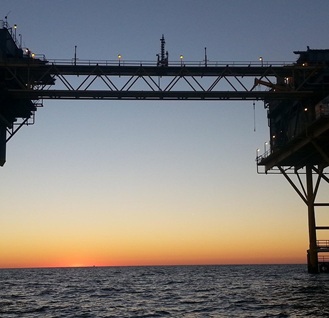
Offshore Gangway Accident Claims
Written by Tanya Waterworth, Digital Content Writer
About Our Legal Expert: This content is produced with oversight by Michael Jefferies, Managing Director who has over 30 years’ legal experience.
The Specialist Guide to Gangway Accident Claims
If you have been injured on a gangway in an offshore industry, you will want to find out more about compensation through offshore gangway accident claims. Whether you work in oil, gas, or renewable energy, automated gangways can be dangerous. In fact, the Health and Safety Executive (HSE) has issued an urgent offshore gangway safety notice to highlight the hazards which may cause injuries for offshore workers. The alert highlights gangways with automatic functions, reminding companies that technical risk assessments must be carried out.
Potential injuries to workers may include falling from heights or being struck by moving parts. So, if this has happened to you or a loved one, you may be entitled to compensation if the accident was caused by employer negligence.
For other types of offshore injuries, visit our Offshore Injury Claims guide.
What Is an Automated Offshore Gangway?
Automated gangways are motorised bridges connecting vessels to offshore platforms. They adjust automatically to ship movements to allow for safer transfers. Essentially, they allow for safe and efficient transfer of personnel between vessels and offshore structures.
However, known as motion-compensated gangways, they are not risk-free. Mechanical failures, operator errors, or bad weather may all cause serious injuries.
Common Injuries from Offshore Gangway Accidents
If you’ve had an accident on an offshore gangway, you may suffer:
- Crush injuries: Trapped limbs or amputations
- Broken bones: From slips or falls
- Head trauma: Concussions or traumatic brain injury (TBI)
- Spinal injuries: Paralysis or nerve damage
- Soft tissue damage: Sprains and ligament tears
- Drowning or hypothermia: From falling into cold waters
Key Tips on Employer Negligence
Employer negligence occurs when your employer fails to meet the legal duty of care required to keep you safe during offshore transfers. Here are some examples of what may amount to negligence in gangway accidents:
- Failure to Maintain Equipment Properly
Gangways must be regularly inspected, serviced, and repaired. If your accident happened because the gangway was faulty or poorly maintained, this could be negligence.
- Inadequate Safety Training
Employers must train workers on the correct use of automated gangways and emergency procedures. Lack of training or refresher courses may lead to unsafe conditions.
- Ignoring Weather and Sea Conditions
Transfers should be halted in treacherous weather. Therefore, if your employer forced or allowed transfers during storms or rough seas without proper safety measures, that’s may be considered a breach of duty.
- Failure to Implement Safety Protocols
This includes not providing non-slip surfaces, guardrails, or adequate lighting on gangways, or ignoring safety checklists.
- Not Reporting or Investigating Previous Incidents
If similar accidents or near-misses were ignored or inadequately addressed, this will show a pattern of negligence.
- Inadequate Supervision During Transfers
Gangway operations need competent supervisors to monitor safety. If supervision was lax or operators were unqualified, that may be negligent.
How to Claim Compensation for Offshore Gangway Accidents
Follow these 5 simple steps in order to claim your compensation:
- Get Medical Help Immediately
Record your injuries with a doctor. Your medical records will serve as key evidence for your claim.
- Report the Accident Officially
Make sure it’s logged with your employer or offshore supervisor in the accident book as soon as possible.
- Collect Evidence
Photograph the gangway, conditions, and your injuries. Get witness contact details.
- Be Aware of Time Limits
Most claims must be made within 3 years from the injury date.
- Calculate Your Losses
Include medical bills, lost wages, travel costs, and pain and suffering.
How Much Compensation Can You Get?
Compensation depends on injury severity and financial loss. Typical awards include:
| Injury Type | Compensation Range (GBP) |
| Minor Fractures | £3,000+ |
| Severe spinal injury | £140,000+ |
| Brain injury | £267,000+ |
Compensation typically covers general damages (pain and suffering) and special damages (financial losses). However, your solicitor will be able to provide you with an estimate regarding your particular case.
Offshore Gangway Accident Prevention Tips
Employers must ensure:
- Regular gangway maintenance
- Proper safety training
- Non-slip surfaces and guardrails
- Weather monitoring to avoid unsafe transfers
If you see safety hazards, report them immediately.
FAQs About Offshore Gangway Accident Claims
Q: What is the time limit for making an offshore gangway injury claim?
A: You generally have 3 years from the date of injury to file a claim.
Q: Can I claim compensation if bad weather caused the accident?
A: Yes, if your employer failed to take proper precautions or ignored safety protocols.
Q: Do I need a lawyer to claim compensation?
A: While not mandatory, a specialist personal injury lawyer can significantly improve your chances of success.
Q: What can I claim after an offshore gangway accident?
A: You can claim compensation for physical injuries, medical expenses, loss of earnings, travel costs related to treatment, and pain and suffering. The exact amount depends on the severity of your injury and its impact on your life.
Take Action Now
Don’t wait to seek advice if you’ve been injured on an offshore gangway.
If you or a loved one has suffered a catastrophic injury, our team works with highly experienced solicitors who can ensure your case is handled with expertise and compassion.
We will give you the support and understanding you need at this difficult time. Call us at 0333 358 3034 for a free no-obligation chat or visit Jefferies Claims Contact Us Page.