
1
Contact or call for free on 0333 358 3034

2
Talk through the details of your claim. Just so you know, we're FCA regulated.

3
Find out if you could claim & speak to a real person.

4
Secure the compensation you deserve

Shin Splints in the Workplace
Written by Tanya Waterworth, Digital Content Writer
About Our Legal Expert: This content is produced with oversight by Michael Jefferies, Managing Director who has over 30 years’ legal experience.
Can I Claim Compensation?
Shin splints in the workplace are typically caused by repetitive stress and overuse of the muscles and bone tissues around the shinbone. Clinically known as medial tibial stress syndrome (MTSS), it is a painful condition affecting the front of the lower leg. Although commonly associated with athletes, shin splints can also develop through work‑related activities that overload your lower legs. In physically demanding work environments, repeated walking, standing, or lifting can contribute to this injury over a prolonged period.
So, if this has happened to you at work, we take a look at how you may be eligible to claim compensation if there are unsafe conditions at work which led to your injury.
What Are Shin Splints?
Medial tibial stress syndrome, or shin splints can occur when too much repetitive stress is placed on the shinbone and the connective tissues that attach muscles to the bone. This may lead to pain, inflammation and tenderness along the inner part of your lower leg.
Although many medical sources talk about shin splints in the context of exercise, the underlying mechanism. i.e. repetitive load and overuse can equally apply to certain workplaces where prolonged or high‑impact activities are done regularly.
Work Activities That May Cause Shin Splints
In an ideal job, regular walking, safe lifting, and reasonable physical activity should not harm you. However, some roles place repeated stress on your legs in ways that can lead to shin splints, especially when workload, tools, or procedures are poorly planned by your employer. Here’s how:
1. Prolonged Standing and Walking
Jobs that require you to stand or walk without sufficient breaks, such as retail assistants, healthcare workers, warehouse operatives and hospitality staff, can place repeated stress on your lower legs. Over long shifts, this constant load can irritate muscles, tendons and bone tissue around the shin.
2. Repetitive Heavy Lifting and Carrying
Lifting and carrying heavy loads repeatedly increases impact on your legs every time your foot hits the floor – especially over hard surfaces. Without adequate rest or ergonomic equipment, this can contribute to MTSS over time.
3. Hard Surfaces and Poor Flooring
If your role demands standing, walking or moving equipment over hard floors without cushioned mats or appropriate footwear, the increased impact may heighten the repetitive stress your shins absorb.
4. Ineffective or Inappropriate Footwear
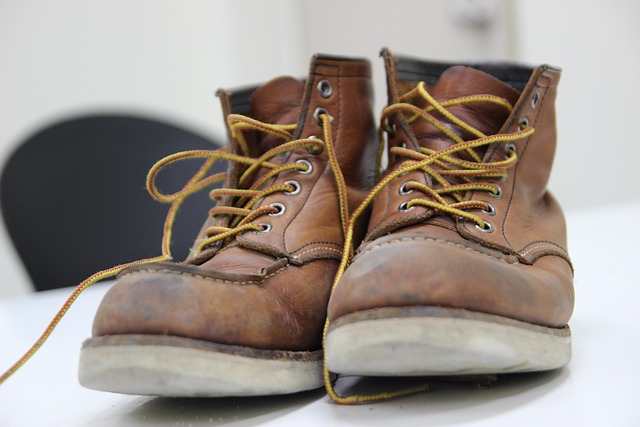
Even outside of sport, footwear matters. If your work boots or shoes lack proper cushioning or arch support, your lower leg structures absorb more force than they should. This biomechanical problem can make shin splints more likely.
5. Sudden Increase in Workload or Role Change
A rapid change in duties, for example, a warehouse worker suddenly assigned long shifts of walking or stair‑climbing, may place a sudden increase in demand on the lower legs. Shin splints often develop when repetitive load increases quickly without conditioning or support.
Recognise The Symptoms to Know
Shin splints typically involve:
- Pain and tenderness along the inner edge of the shinbone.
- Pain that worsens with activity and eases with rest.
- Swelling or a dull ache after work or exercise.
Left untreated, shin splints can progress and take longer to recover from, especially if the repetitive stress persists.
Do Employers Have a Legal Duty to Prevent Shin Splints at Work?
Yes – in England and Wales, employers owe all workers a legal duty of care to protect their health, safety and welfare at work according to the Health and Safety at Work etc. Act 1974.
Under this law:
- Employers must identify and assess workplace hazards.
- They must provide adequate training, equipment, supervision and breaks.
- They must manage risks so far as is reasonably practicable.
Failing to do any of these may constitute a breach of the duty owed to employees.
Employer Negligence and How It Relates to Shin Splints
Not every workplace injury leads to a claim. But if your employer failed in their duty of care and that failure caused or significantly contributed to your injury, you may have grounds for a personal injury claim.
Here are some examples of negligent conditions that could relate to shin splints:
No Risk Assessment or Poor Planning
If your job tasks involve repetitive walking or standing and your employer never carried out a risk assessment, this could be negligent.
Inadequate Footwear or Protective Equipment
Employers must provide proper footwear or foot support where required, such as cushioned mats or ergonomic gear. Failure to do so may count as negligence.
Lack of Training or Rest Breaks
Not training workers on safe practices, or not giving workers adequate rest breaks, may lead to repetitive strain injuries like shin splints.
Ignoring Repeated Complaints
If workers repeatedly complain about pain or musculoskeletal strain and nothing is done, this could support a claim that the employer breached their duty.
FAQs About Claiming Compensation for Shin Splints at Work
If your job contributed to shin splints, you may be unsure whether you can claim compensation. Here are six common questions that clarify when a workplace injury could be eligible for a claim:
- Can I make a claim if my shin splints were caused by standing or walking at work?
Yes, you may be entitled to compensation if prolonged standing or walking at work caused or worsened your shin splints. Employers have a duty to provide safe working conditions, including cushioned flooring, anti-fatigue mats, and sufficient rest breaks. Failing to manage these risks may be considered negligence.
- Does the length of time I’ve worked in a role affect my claim?
Not directly. What matters is whether your employer’s negligence caused your injury. However, longer exposure to unsafe conditions, for example repetitive walking, heavy lifting, or inadequate equipment, can strengthen evidence that your shin splints were work-related.
- What if my shin splints resulted from lifting or carrying heavy items?
Repetitive heavy lifting, particularly on hard surfaces, can contribute to shin splints. If your employer failed to provide proper lifting equipment, training, or safety procedures, this may qualify as negligence. Documenting your duties and the loads you carry helps support a potential claim.
- Can improper footwear or equipment affect my ability to claim?
Yes. Employers are responsible for providing appropriate safety footwear or support where needed. If your shoes or boots lacked adequate cushioning or support, and this contributed to your injury, it could strengthen your claim. A medical assessment linking footwear to the injury may be necessary.
Need Help Now?
Shin splints might seem like a “routine” injury, especially in exercise. However, in jobs that involve repetitive leg stress, prolonged standing, or heavy physical activity, the condition can certainly develop as a result of workplace conditions.
If your employer failed to assess risks properly, ignored complaints, or refused to provide adequate equipment or breaks, and those failures contributed to your shin splints, you may be entitled to make a personal injury claim.
We partner with highly experienced personal injury lawyers in work-related injury claims. They offer No Win No Fee agreements, as well as a free, no-obligation consultation.
Contact us today at 0333 358 3034 or complete our online contact form to arrange an initial no-obligation telephone consultation.