
1
Contact or call for free on 0333 358 3034

2
Talk through the details of your claim. Just so you know, we're FCA regulated.

3
Find out if you could claim & speak to a real person.

4
Secure the compensation you deserve

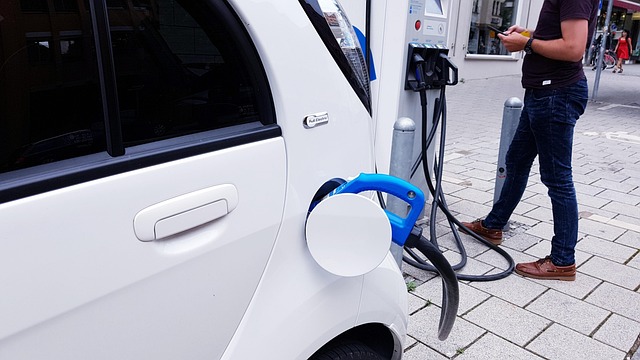
Charging Stations Creating Trip Hazards in Public Spaces
Written by Tanya Waterworth, Digital Content Writer
About Our Legal Expert: This content is produced with oversight by Michael Jefferies, Managing Director who has over 30 years’ legal experience.
When an Injury Could Lead to a Personal Injury Claim
Charging stations creating trip hazards in public spaces may lead to a personal injury claim if they have been installed without proper planning or being managed safely. Public charging stations are now rapidly appearing in almost every type of public environment. You see them in shopping centres, train stations, airports, libraries, cafés, parks, universities, workplaces, and even temporary event spaces.
However, this expansion has created a new and often underestimated risk: trip hazards caused by charging stations and their cables in public places. When operators install these facilities without well thought out planning or fail to manage them by not having proper safety in place, they may expose the public to avoidable accidents.
Charging Stations: A Modern Convenience That Can Create Hidden Dangers
Charging stations offer obvious benefits, but they also introduce physical obstacles and cable‑related hazards that many operators fail to anticipate. As a result, people can trip, fall and suffer injuries that disrupt their daily lives. In fact, London Councils have issued new guidance details to tackle trip hazards in the city.
Below are the most common ways charging stations create trip hazards in public spaces.
1. Loose or Trailing Cables
Many charging points require users to plug in their own cables. When people stretch these cables across walkways, seating areas or communal spaces, they create a clear tripping risk.
In busy environments, pedestrians often focus on their destination rather than the floor. A thin charging cable can blend into the background, especially on patterned or dark flooring. Even a momentary distraction can lead to a fall.
2. Poorly Positioned Charging Units
Some operators install charging stations in locations that simply do not suit the flow of pedestrian traffic. You may find charging points:
- beside narrow walkways
- close to entrances or exits
- next to queueing areas
- in corridors
- near escalators or lifts
When a charging unit sits too close to a pedestrian route, cables naturally extend into the path of people walking by. This creates a foreseeable hazard that operators should anticipate and prevent.
3. Damaged or Exposed Wiring
Charging stations experience heavy use. Over time, cables can fray, connectors can loosen and protective casings can break. Damaged wiring can protrude into walkways or create loops that catch on shoes, mobility aids or pushchairs.
Poor maintenance often plays a major role in these accidents. If an operator fails to inspect and repair equipment regularly, they increase the risk of someone tripping and suffering an injury.
4. Floor‑Mounted or Low‑Level Charging Points
Some charging hubs sit at floor level or just above it. These low‑profile units can be difficult to spot, especially in dim lighting or crowded spaces. People may not expect a charging point to sit directly on the floor, so they may not look for it.
When someone catches their foot on a low‑level unit, the fall can be sudden and severe.
5. Temporary or Pop‑Up Charging Areas
Events, festivals, exhibitions and transport disruptions often lead to temporary charging setups. These installations frequently appear with little planning and minimal attention to cable management.
Temporary charging points may rely on extension leads, multi‑socket adapters or loose cables that run across open areas. Without proper covers, signage or barriers, these setups can create significant trip hazards.
Common Injuries Caused by Charging‑Station Trip Hazards
Tripping over a cable or charging unit can cause a wide range of injuries. Some of the most common may include:
- sprained or fractured wrists
- ankle injuries
- knee damage
- facial injuries
- back or shoulder trauma
- cuts, bruising and soft‑tissue damage
Even a seemingly minor fall can potentially lead to long‑term pain, reduced mobility or time off work. In addition, older people and those with existing health conditions face an even higher risk of serious injury.
Who Holds Responsibility for Preventing Trip Hazards?
Liability depends on who controls the space and who installed or maintains the charging station. Several parties may hold responsibility, including:
1. Local authorities
They may be liable for charging points installed on pavements, in parks or in public squares.
2. Retailers and shopping centres
They often provide charging hubs for customers and must ensure the area remains safe.
3. Transport operators
Train stations, airports, bus depots and tram stops must manage charging facilities safely.
4. Event organisers
Temporary charging areas at festivals or exhibitions fall under their responsibility.
5. Private businesses
Cafés, co‑working spaces, gyms and other venues offering charging facilities must maintain them safely.
Each operator has a legal duty to take reasonable steps to ensure the area is safe for visitors. This includes:
- carrying out risk assessments
- positioning charging stations safely
- managing cables properly
- maintaining equipment
- providing adequate lighting
- responding quickly to hazards
If they fail to meet these responsibilities and someone suffers an injury, they may be liable for a personal injury claim.
When Could an Injured Person Make a Personal Injury Claim?
A person may be able to claim compensation if:
- the charging station or its cables created a foreseeable trip hazard
- the responsible party failed to take reasonable steps to prevent the hazard
- the injury occurred as a direct result of the trip or fall
- the incident happened within the three‑year time limit in which to make a claim.
Evidence plays a crucial role in these claims. Useful evidence includes:
- photographs of the hazard
- witness statements
- CCTV footage
- accident‑report entries
- medical records
Even if the injured person does not know who owns or maintains the charging station, a solicitor can investigate liability.
Examples of Negligence Involving Charging Stations
Here are several scenarios which may support a personal injury claim, such as:
- a shopping centre allowing cables to trail across a busy walkway
- a library installing a charging hub beside a narrow aisle
- a train station failing to repair a damaged charging unit
- an event organiser using temporary charging points without cable covers
- a café placing sockets under tables where cables extend into walkways
These situations often arise because operators may treat charging facilities as an add‑on rather than a feature requiring proper safety planning.
Contact Us: Free, Initial Consultation
Charging stations have become an essential part of modern public life, but they also introduce new safety challenges. When operators install charging points in unsuitable locations, fail to manage cables or neglect maintenance, they create trip hazards that can cause serious injuries.
If you or someone you love has suffered an injury because of an unsafe charging station in a public space, you may have grounds to bring a personal injury claim for compensation.
Our team can guide you through the process. We partner with lawyers who work on a ‘No Win, No Fee’ basis.
To discuss your potential claim in confidence, contact our team at Jefferies Claims on 0333 358 3034. Alternatively, complete our online contact form to arrange an initial, no-obligation consultation with one of our friendly team.