
1
Contact or call for free on 0333 358 3034

2
Talk through the details of your claim. Just so you know, we're FCA regulated.

3
Find out if you could claim & speak to a real person.

4
Secure the compensation you deserve

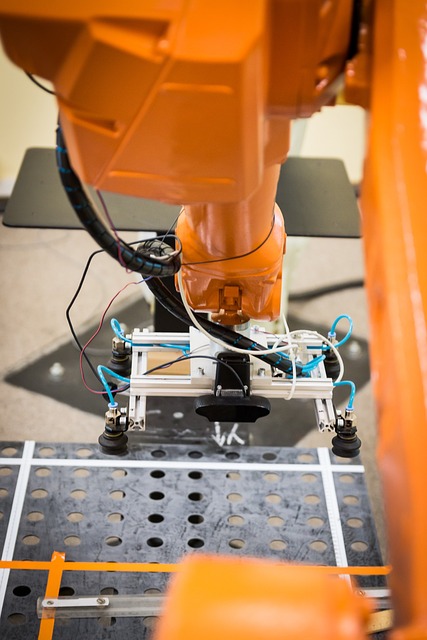
Get Injury Compensation for a Robotic Accident at Work
Written by Tanya Waterworth, Digital Content Writer
About Our Legal Expert: This content is produced with oversight by Michael Jefferies, Managing Director who has over 30 years’ legal experience.
No Win No Fee Agreements
Accidents involving robots at work can lead to serious injuries and you may be eligible to get injury compensation for a robotic accident at work if this has happened to you. In the age of automation, workplaces across England and Wales increasingly rely on robotic machinery to boost efficiency and productivity.
While these advancements bring significant benefits, if you’ve been harmed at work due to automated machinery, compensation for a personal injury claim typically covers pain and suffering, as well as financial losses.
If you want find more about filing a claim, we work with specialist work injury lawyers and offer a free, no-obligation consultation.
Understanding Robotic Accidents at Work
Robotic accidents at work typically involve automated machinery, industrial robots, or robotic arms used in factories, warehouses, and assembly lines. These machines are designed to perform repetitive tasks with precision. But malfunctions, human error, or poor safety measures can result in accidents. Unfortunately, robotic injuries tend to occur suddenly and with significant force, increasing the severity of harm.
Common scenarios might include:
- A robot arm striking a worker while performing repetitive tasks.
- Employees trapped or crushed between automated machinery.
- Malfunctioning safety sensors failing to stop the machinery.
- Collisions involving mobile robots in warehouses.
Employers in England and Wales have a legal duty to ensure the safety of all employees under the Health and Safety at Work Act 1974. Failure to maintain safe machinery, provide proper training, or implement adequate safety measures can make them liable for injuries caused by robotic accidents.
Typical Injuries from Automated Machinery
Robotic accidents can result in a wide range of injuries, from minor cuts to life-altering trauma. Some of the most common injuries include:
- Crush Injuries
When a worker is caught between moving parts or pinned by robotic arms, crush injuries can occur. These injuries can damage muscles, bones, and internal organs, often requiring surgery and long-term rehabilitation.
- Fractures and Broken Bones
Robotic machinery can apply significant force, leading to broken bones. Fractures may affect the arms, legs, or ribs, and may require cast immobilisation, surgery, or physiotherapy.
- Amputations
Severe accidents involving robotic blades or cutting tools can result in partial or full amputations of fingers, hands, or limbs. These injuries are particularly traumatic and can drastically affect a person’s quality of life.
- Soft Tissue Injuries
Strains, sprains, and torn ligaments are common, especially if a worker is thrown or pulled by a robotic system. These injuries can lead to chronic pain and reduced mobility.
- Head and Spinal Injuries
A fall or collision with machinery can result in head trauma or spinal injuries, which may cause long-term complications, including paralysis or cognitive impairment.
- Psychological Impact
Robotic accidents can also lead to psychological injuries, such as post-traumatic stress disorder (PTSD), anxiety, or depression, particularly after severe or life-changing incidents.
Recognising the severity of these injuries is crucial when pursuing a personal injury claim, as compensation typically considers both physical and emotional harm.
Legal Basis for a Robotic Accident Claim
In England and Wales, personal injury claims for workplace accidents usually fall under employer liability claims. To succeed, you need to be able to show three key elements:
- Duty of Care: Your employer owed you a duty to provide a safe working environment.
- Breach of Duty: Your employer failed to meet this duty, such as by neglecting safety protocols, maintenance, or training.
- Causation: The breach directly caused your injury.
Robotic accidents often involve complex machinery and safety systems, so evidence is crucial. This may include accident reports, photographs, witness statements, and medical records documenting your injuries.
Additionally, in some cases, claims may involve third-party liability. For example, if the machinery was defective due to a manufacturer’s error, you might pursue a product liability claim alongside an employer liability claim.
Steps to Start a Personal Injury Claim
Making a claim for a robotic accident at work involves the following steps:
1. Seek Medical Attention Immediately
Your health should always be your top priority. Even if your injuries seem minor, you should get a full medical assessment. Some robotic accident injuries, such as soft tissue damage or internal injuries, may not be immediately apparent. Medical records are regarded as essential for your claim.
2. Report the Accident
Report the incident to your employer as soon as possible. This creates an official record and ensures the accident is logged in the company’s Accident Book. Keep a copy of all reports or forms submitted.
3. Gather Evidence
Collecting evidence strengthens your claim. If possible, obtain:
- Photographs of the accident scene and machinery.
- Videos or CCTV showing the operation of the robot or unsafe practices.
- Witness statements from colleagues.
- Maintenance records or safety manuals for the robotic machinery.
4. Contact a Specialist Personal Injury Solicitor
Workplace robotic accidents can involve complex technical and legal issues. We work with solicitors specialising in personal injury claims who can:
- Assess the strength of your case.
- Advise on liability, including employer and third-party responsibilities.
- Handle negotiations with insurance companies.
- Maximise your compensation for both physical and psychological injuries.
5. Calculate Your Compensation
Compensation will generally cover:
- General damages: For pain, suffering, and loss of enjoyment of life.
- Special damages: For financial losses which may include your medical expenses, any lost earnings, travel costs, and rehabilitation.
6. Submit Your Claim
Once your solicitor gathers all evidence and medical reports, they will submit your claim to your employer’s insurer. In many cases, claims are resolved through negotiation without having to go to court.
Common Challenges in Robotic Accident Claims
While you have the right to compensation, robotic accident claims can present unique challenges:
- Complex machinery: Determining exactly what caused the accident may require expert technical evidence.
- Shared liability: Sometimes, the accident may involve multiple parties, including manufacturers, contractors, or maintenance teams.
- Delayed symptoms: Injuries like musculoskeletal damage may appear weeks after the accident, complicating the timeline.
Working with an experienced solicitor ensures these challenges are properly addressed and reduce the risk of your claim being undervalued or rejected.
Tips to Strengthen Your Claim
- Document everything: Keep detailed records from the accident scene to ongoing medical treatment.
- Don’t delay reporting: Immediate reporting to your employer helps establish a clear link between the accident and your injuries.
- Follow medical advice: Keeping to prescribed treatment shows a commitment to recovery and strengthens your claim.
- Avoid posting on social media: Insurance companies may use social media posts to dispute the severity of your injuries.
- Seek expert advice early: Personal injury solicitors can guide you through complex robotic accident claims and seek maximum compensation for your injury.
Time Limits for Making a Claim
In England and Wales, you typically have three years from the date of the accident – or the date you became aware of the injury – to file a personal injury claim. However, missing this deadline can prevent you from pursuing compensation, so it’s crucial to act promptly.
Need Help Now?
You have the right to seek compensation if your employer’s negligence or unsafe machinery caused your injury. So, if you or a loved one has been injured by robotic machinery at work, don’t wait.
Our team will give you the support and understanding you need at this difficult time.
📞 Call us now at 0330 818 0349
💻 Or visit our Contact Us page for your free, no-obligation consultation